Key Takeaways
A smaller wedding can still feel wonderfully abundant when the flowers are chosen with intention. Focus on the moments that matter most, then let season, setting, and practical details guide the rest.
- Choose a few meaningful floral focal points rather than trying to decorate every surface.
- Use the wedding date and venue to shape a flexible, seasonal palette.
- Consider how ceremony arrangements might be reused at the reception.
- Compare priorities and logistics before settling on a floral budget.
- Share clear inspiration and venue details with your florist early.
Shape a floral vision for a smaller celebration
A smaller guest list gives you room to make floral choices feel personal, not simply scaled down. You may have fewer tables to decorate, but each arrangement can do more to set the mood and draw people into the day. Start with the feeling you want guests to remember, then think about where flowers can help create it. A clear vision makes it easier to work with an intimate wedding florist Williamstown couples can consult about their plans.
Decide which moments should feel most memorable
Think about the parts of the day you will notice most, and the places guests are likely to gather. For one couple, that might be the ceremony backdrop and the bouquet; for another, the dinner table and the welcome area. Choosing a handful of priorities helps keep a small celebration cohesive without making every corner compete for attention.
A short list can help you talk through those priorities before discussing individual stems:
- A ceremony focal point that suits the room or outdoor setting
- Personal flowers for the couple and wedding party
- Table arrangements that leave space for conversation and dining
- A welcoming detail at the entrance or guest-book area
Once you know which moments matter, you can decide where a little extra detail will have the greatest effect. The aim is not to fill every available space, but to make the important ones feel considered.
Match the flowers to your wedding style
Bring together the visual details you have already chosen: attire, linens, stationery, lighting, and any favorite colors. Flowers do not need to match every element exactly; often, a repeated tone or texture is enough to make the room feel pulled together. A wedding with a relaxed garden feel might call for looser shapes, while a more formal dinner could suit cleaner lines and a restrained palette. Other planning interests can be personal, too, from trying Méthode SOLA music activities to choosing Tesla accessories; for the wedding, keep the floral references centered on the atmosphere you want to create.
Use scale and placement to make an impact
In an intimate room, a large arrangement can feel striking, but it can also crowd a table or interrupt sightlines. Ask how arrangements will look from a seated guest’s perspective as well as in photographs. A few well-placed flowers can create a sense of rhythm through a space, especially when heights and shapes vary gently. Thoughtful placement matters as much as the number of stems, so describe what guests will see as they enter, sit down, and move through the celebration.
Choose flowers that suit Williamstown’s seasons
The wedding date influences which flowers are readily available and how they hold up in the conditions of the day. A seasonal approach can give the design a stronger connection to its setting, while a flexible palette keeps the plan from depending on one particular bloom. Williamstown can refer to different places, so share your location and wedding date with your florist rather than assuming a particular climate or growing season. If you are gathering ideas, autumn floral palettes can offer one example of how color and season work together.
Explore locally available blooms for your wedding date
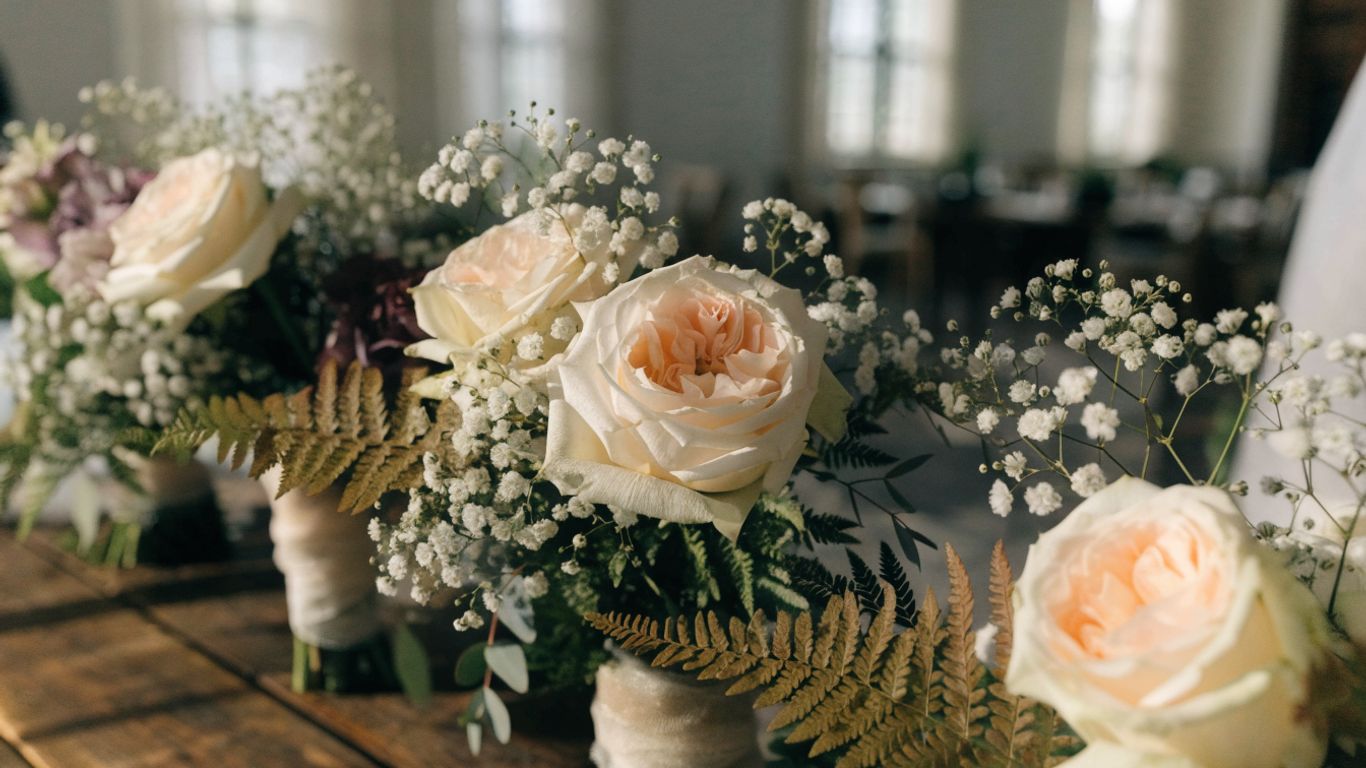
Ask which flowers are likely to be available near your wedding date and what may vary from week to week. A florist can explain which choices are dependable for the season and which are more sensitive to supply. If you have a favorite flower, mention it early, but leave room for a similar color or shape if it is difficult to source. That small bit of flexibility can make the final design feel natural rather than compromised.
Adapt your palette to the season and setting
A useful palette has a little range: a main color, a supporting tone, and perhaps a quieter neutral to soften the overall effect. The venue matters here, too. A bright outdoor space may call for a different balance than a dim dining room, and the same flowers can read differently against stone, timber, or a light-colored wall. Use the table below as a starting point for a conversation, not a fixed seasonal prescription.
| Design consideration | Starting point | What to discuss |
|---|---|---|
| Season | Choose a palette that feels at home at that time of year | Which blooms are likely to be available? |
| Venue light | Notice whether the room feels bright, shaded, or candlelit | Will colors appear differently in the space? |
| Setting | Look at existing finishes, views, and greenery | Should the flowers blend in or provide contrast? |
| Favorite flower | Share the flower that matters most to you | What flexible alternatives have a similar feel? |
Treat these as prompts, then refine the palette with the actual venue and date in mind. Some couples enjoy a moody autumn look; others prefer a lighter garden-inspired mix. The best choice is the one that feels right for your celebration and can be planned with realistic options.
Plan alternatives for flowers that may be unavailable
Ask your florist to describe substitutions in terms of color, shape, and overall feel, not just by naming a different flower. That makes it easier to understand how a change might affect the arrangement as a whole. You can also agree on which details are essential and which are open to adjustment. A flexible plan is especially helpful when a design depends on blooms that may be difficult to source at a particular time.
Coordinate florals with your venue
The venue gives the flowers a setting and a job to do. A ceremony arrangement might frame a view, soften a doorway, or help define an outdoor gathering area; reception flowers can make a dining room feel warmer without obscuring the table. Start by walking through the space, in person or with clear photographs, and notice where guests will spend time. If you are considering a Williamstown celebration venue, explore the Williams Inn wedding packages as one example of a venue page to review while comparing practical details.
Consider the ceremony layout and focal points
Look at where the couple will stand, where guests will sit, and what will appear in the background of photographs. A strong focal point may be all the ceremony space needs, particularly in a small setting with attractive architectural details or a view. Check whether the ceremony arrangement can be moved afterward; if so, it may serve a second purpose at the reception. Share the layout with your florist so scale and placement can be considered together.
Make reception flowers work across tables and shared spaces
At dinner, arrangements should support conversation instead of becoming an obstacle. Consider table shape, place settings, and how much room is needed for food and candles. If the celebration includes a lounge, welcome table, or shared dining space, choose a few details that connect those areas without repeating the same arrangement everywhere. Reception planning often involves several creative decisions—music, menu, and room styling among them—so it can be useful to compare the floral plan alongside a music production service or a caterer such as Saakshi’s Kitchen when coordinating the overall guest experience.
Check venue rules, access, and setup timing
Before confirming an installation, find out when the florist can enter the venue and how long setup may take. Ask about restrictions on candles, hanging décor, attachments, or moving furniture, and confirm who will be responsible for clearing arrangements afterward. These details are easy to overlook when the design is still an idea, but they shape what can actually be installed. A short conversation with the venue coordinator can prevent last-minute changes.
For visual context, a video about wedding floral planning can help you think through the transition from inspiration to setup.
Set a realistic floral budget
A floral budget is easier to discuss once you know which arrangements matter most and what the venue requires. The total depends on your choices, design, delivery, setup, and any other agreed services, so ask for a proposal that explains what is included. For a small celebration, it can be tempting to assume that fewer guests automatically mean a very small floral spend, but focal installations and logistics still take planning. Set a comfortable range, then shape the design around it.
Prioritize arrangements based on guest count and visibility
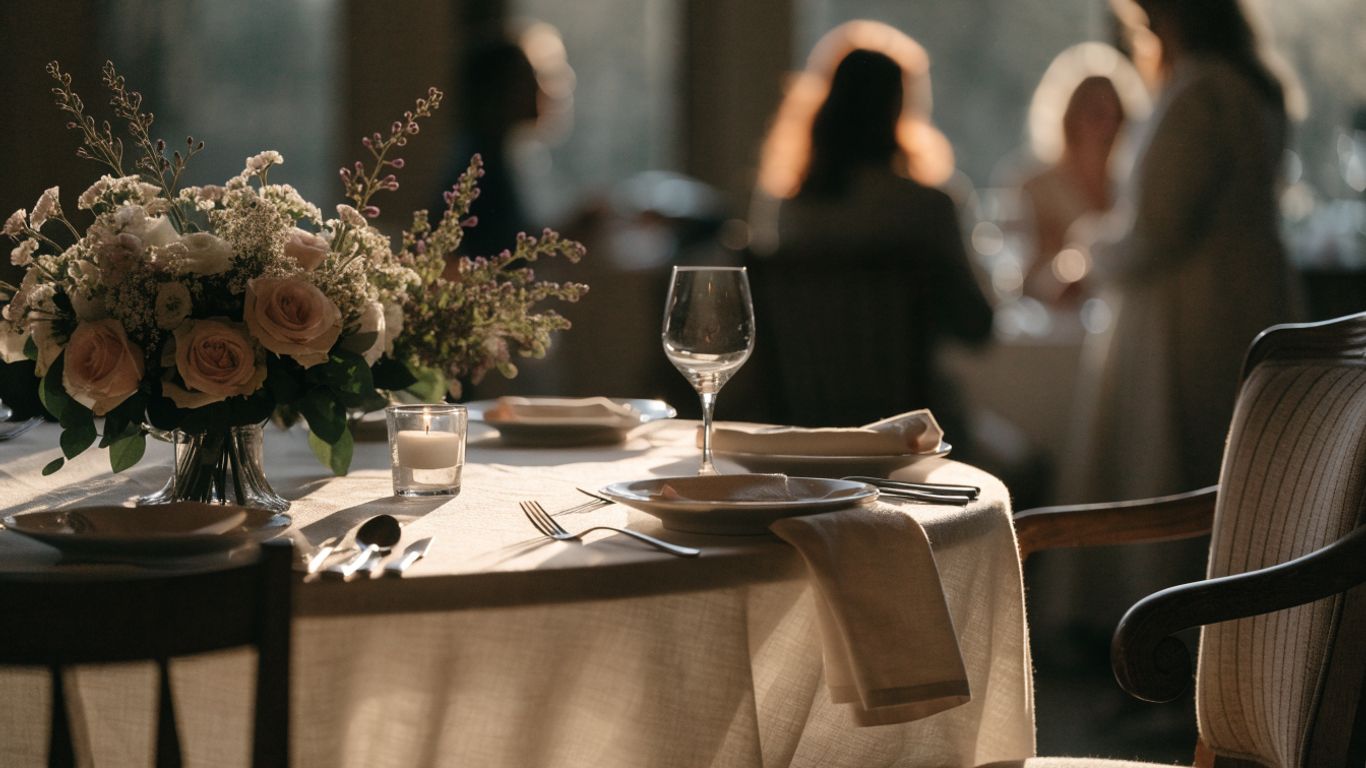
Start with the places guests will notice first and the moments you want to remember in photographs. A modest number of guests may mean fewer centerpieces, but a ceremony focal point or personal flowers may remain important. Ask what adjustments would preserve the overall look if you need to simplify. This helps protect the parts of the design that matter most while allowing less visible details to stay simple.
Compare personal flowers with ceremony and reception needs
Personal flowers, ceremony pieces, and reception arrangements serve different purposes, so compare them as parts of one design rather than making decisions in isolation. The table below gives you a way to organize the conversation; it is not a price list, since costs depend on the specific design and service details.
| Floral area | What it contributes | Question to ask |
|---|---|---|
| Personal flowers | A visible detail for the couple and wedding party | Which people need flowers? |
| Ceremony | A focal point or framing for the vows | Can any piece be reused afterward? |
| Reception tables | Color and texture where guests gather | How much table space should remain clear? |
| Shared spaces | A welcoming detail between moments | Which areas will guests actually use? |
Comparing these areas makes it easier to see where your budget is going and where one arrangement might serve more than one purpose. Make sure any reuse plan accounts for the time and people needed to move pieces safely.
Ask what delivery, setup, and breakdown include
A proposal should make the practical parts of the work understandable, not just list flowers and arrangements. Confirm delivery timing, setup responsibilities, and whether breakdown or collection is included. If the venue has limited access or a tight schedule, mention that before finalizing the plan. Clear expectations help you compare options fairly and avoid discovering extra tasks on the wedding day.
Find the right intimate wedding florist in Williamstown
A good fit comes from more than liking one photograph. You want a florist whose work feels close to your vision and who can talk clearly about the needs of your date, venue, and guest count. Browse complete wedding galleries when possible, since one close-up cannot show how arrangements work together across a whole event. For comparisons of creative services, you might encounter WordPress development while researching other vendors; keep your floral search focused on relevant wedding work and practical fit.
Review portfolios for a style that fits your plans
Notice whether the arrangements in a portfolio share qualities you like: airy or abundant shapes, restrained or vivid color, formal or garden-like styling. Look at ceremony and reception images as well as bouquets, so you can picture how the florist handles a full event. It can also help to save examples of what does not suit you. A few specific references make it easier to explain your taste without expecting an exact copy.
Ask about experience with small weddings and local venues
Ask how the florist approaches guest counts and spaces similar to yours, and whether they have worked at your venue. You are looking for clear, relevant answers about scale, access, and setup—not a promise that every event will look the same. A gallery from a wedding at the same location may help you understand how flowers fit the room, but your own date, layout, and preferences will shape the design. Keep the conversation grounded in your plans.
Confirm availability, services, and communication expectations
Before booking, confirm the wedding date, the services included, the process for approving a proposal, and when final details are due. Ask how changes are handled if availability shifts or your guest count changes. It is also useful to know who your contact will be as the day approaches and how questions should be shared. A straightforward process can make the planning feel calmer from the first conversation onward.
Plan the floral design from consultation to wedding day
A productive consultation begins with enough context for the florist to understand your priorities. You do not need every detail finalized, but the date, venue, approximate guest count, and general style give the conversation a useful starting point. Bring references that show both the flowers you like and the atmosphere you hope to create. From there, the design can move from broad ideas to decisions about quantities and logistics.
Prepare inspiration images, colors, and venue details
Gather a small set of images rather than a large folder of loosely related ideas. Add notes about what appeals to you in each one—perhaps the color balance, the shape of an arrangement, or how flowers sit within a room. Include venue photographs, confirmed colors, and any practical restrictions you already know. This helps separate inspiration from details that may not work in the actual space.
Review the proposal and confirm substitutions
Read the proposal for the arrangements, quantities, and services it describes. If a particular flower is central to your idea, ask how substitutions would be handled if it is unavailable. Agree on the qualities that should remain consistent, such as color family or overall shape, and identify what can change. A shared understanding now makes later adjustments less surprising.
Finalize quantities, delivery, and setup logistics
As the wedding approaches, confirm the guest count, delivery address, venue access, setup window, and who will be on site to coordinate. Make sure any planned movement of ceremony flowers to the reception has a clear handoff and timing. Keep the final details in one place so everyone involved can refer to the same plan. Then let the florist focus on bringing the agreed design together.
Conclusion
Planning flowers for a small wedding is less about filling space and more about choosing details that feel personal, suit the season, and work in the venue. With a clear sense of your priorities, a flexible approach to availability, and practical questions settled early, you can build a floral plan that feels thoughtful from the ceremony through the last shared moments of the day.
Frequently Asked Questions
How far in advance should I book a wedding florist?
It is helpful to begin researching once you have a date and venue, since availability and seasonal choices can affect the design. Contact florists early enough to compare proposals and discuss the details without rushing.
What flowers work well for a small wedding?
There is no single best choice. Consider what is likely to be available for your date, what suits the venue, and which colors and shapes feel right for your celebration.
How can I make a small wedding feel special with flowers?
Focus on a few visible or meaningful areas, such as personal flowers, the ceremony focal point, or the dinner tables. Thoughtful placement can make a modest number of arrangements feel intentional.
Can ceremony flowers be reused at the reception?
Sometimes. It depends on the arrangement, venue layout, timing, and who can move it. Discuss the idea in advance so the plan includes a practical transition.
What should I include in a floral budget?
Ask for a proposal that clearly explains the arrangements and any delivery, setup, breakdown, or other services. The details vary, so confirm what is included before comparing proposals.
What should I bring to a florist consultation?
Bring your wedding date, venue details, approximate guest count, color ideas, and a small selection of inspiration images. Mention any favorite flowers and practical restrictions you already know about.
What if my preferred flower is unavailable?
Ask your florist to suggest alternatives with a similar color, shape, or overall feel. Agreeing on flexible substitutions ahead of time can help keep the design cohesive if availability changes.