Key Takeaways
A free wedding flower consultation is a chance to see whether a florist’s approach, ideas, and working style suit your plans. A little preparation helps you make the most of the conversation.
- Bring a comfortable budget range, your wedding date, venue details, and an approximate guest count.
- Share inspiration to explain the mood you want, not to demand an exact copy of someone else’s flowers.
- Ask about floral options for the ceremony, reception, and wedding party, as well as delivery and setup.
- Request clear explanations of seasonal choices, substitutions, pricing, and what a proposal includes.
- Take time after the meeting to review the details and confirm next steps before booking.
What a free wedding flower consultation includes
A free wedding flower consultation is usually an initial conversation about your plans and the kinds of floral designs that may suit them. The exact format varies by florist: it might be a short call, an in-person meeting, or a virtual conversation. You can use the time to share what matters most and learn whether the florist’s ideas feel right for your celebration. It helps to treat the meeting as a first discussion, not a promise that every design detail or cost will be settled on the spot.
Discussing your vision, style, and priorities
The florist may ask what you want the day to feel like, which colors you are drawn to, and whether flowers are a major visual feature or a quieter finishing touch. Try to describe the atmosphere in your own words before settling on specific blooms. “Soft and garden-like” or “simple, with a few strong colors” gives the conversation a direction without locking you into a particular design. It can also help to say what you do not want, especially if there are colors, shapes, or styles you already know are not for you.
Reviewing floral options for your venue and season
Your venue, wedding date, and general style help a florist discuss which floral approaches might work. You can ask how arrangements could relate to the room, whether ceremony flowers could be reused elsewhere, and what seasonal availability might mean for your choices. If you are comparing in-person and virtual meetings, a virtual flower consultation is one example of a format that can involve personalized discussion and recommendations; check the details of any particular service rather than assuming all initial consultations include the same work.
Understanding what the consultation does not include
A free conversation is not necessarily a full design plan, an itemized proposal, or a reservation of your wedding date. Ask what, if anything, the florist will send afterward and whether developing detailed designs or pricing requires another step. A consultation also cannot replace practical information from your venue, such as rules for candles, installation access, or restrictions on attaching decor. If construction or venue preparation is still underway, site preparation is a separate matter to confirm with the people responsible for the space.
How to prepare before you meet
A little preparation can make the meeting feel less like a test and more like a useful conversation. You do not need a finished design plan or a perfect set of reference images. Bring the details you know, be honest about what is still undecided, and think about the parts of the day where flowers would matter most to you. If you are looking for a wedding flower consultation free of pressure to decide immediately, it is reasonable to ask how the florist handles follow-up and when a booking decision is needed.
Set a realistic floral budget
Before the meeting, decide on a range you feel comfortable discussing. Include a little flexibility if you have it, but do not present a number you would be unhappy spending. It can help to note whether the range is for all wedding flowers or only certain pieces, since the same figure means very different things depending on what it needs to cover. Broader guides to financing options discuss loans and payment terms for other kinds of projects; do not assume those arrangements are available or appropriate for wedding flowers.
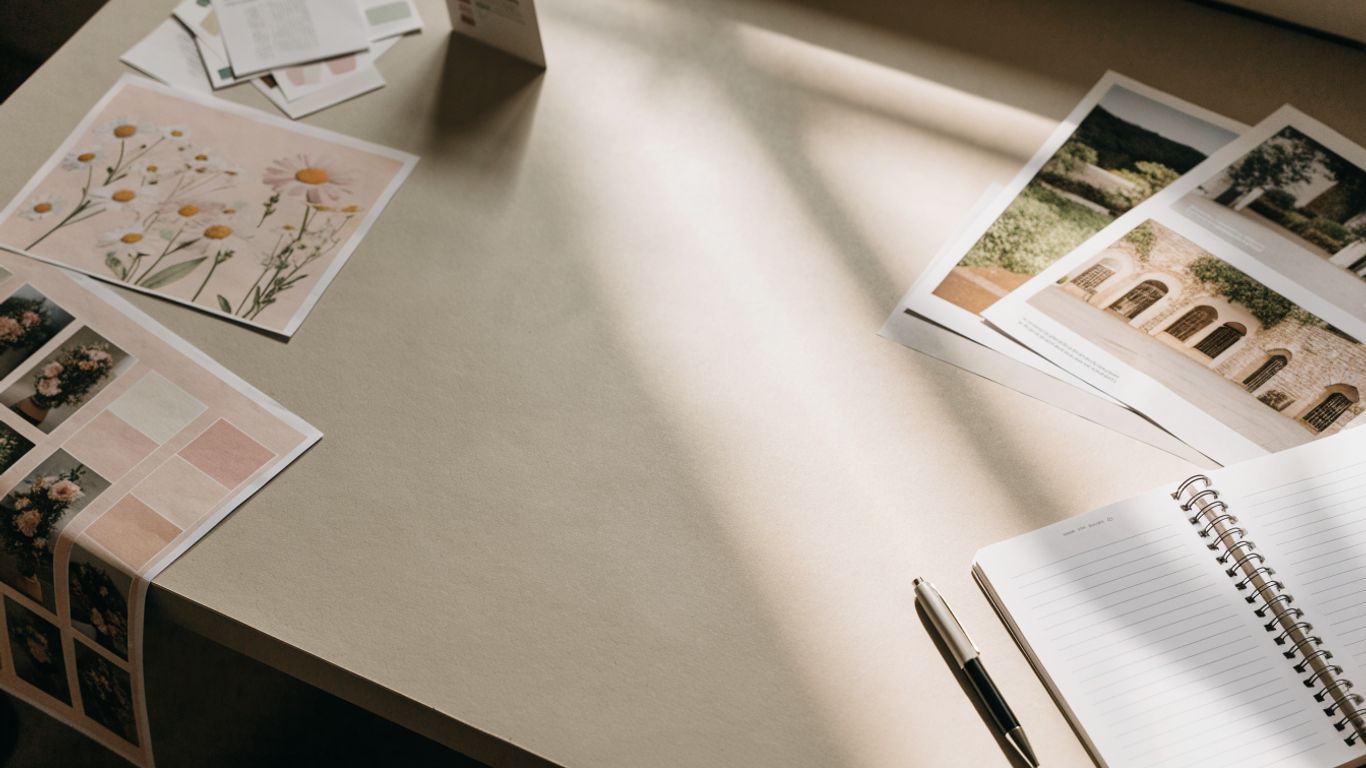
Gather inspiration photos and color ideas
A small, considered collection is more useful than a large folder of images with conflicting styles. Choose examples that show details you respond to—color, scale, shape, or how flowers sit in a room—and explain what you like about each one. You might also bring a fabric swatch or outfit photo if clothing colors will affect your palette. These simple prompts can help you explain your preferences:
- A photograph that captures the overall mood you want.
- An image of an arrangement size or shape you like.
- A color reference from clothing, stationery, or the venue.
- One example of a look you would rather avoid.
The point is not to make the florist reproduce every reference exactly. A florist may need to adapt an idea to the venue, season, and available flowers, so focus on the qualities you hope to carry through. For additional preparation ideas, this guide to wedding flower consultation details discusses sharing style, color, outfit, and venue information.
Note your venue details, date, and guest count
Write down the ceremony and reception locations, wedding date, approximate guest count, and any confirmed table numbers or room layouts. If you have venue photographs, floor plans, or a contact person for access questions, bring those along too. If the date, room, or guest count is not final, say so; an honest estimate is more helpful than an overly precise guess. Those basic details give the florist a clearer starting point and help you identify which questions need answers from the venue.
What to discuss during the consultation
Once the florist understands the look you have in mind, shift the conversation toward the pieces you may need and how they fit together. You can start with the most visible areas, then work through personal flowers and practical arrangements. Not every couple needs every category, and a consultation is a good time to distinguish essentials from nice-to-haves. Keep a note of decisions and unresolved questions as you go.
Flowers for the ceremony and reception
Talk through the ceremony setting, the reception room, and the tables or focal points you want guests to notice. Ask whether an arrangement might be moved from one space to another, and what that would require in terms of timing or help from the venue. If you have an unusual layout, share photographs or a floor plan rather than relying on memory. You can also discuss whether you prefer a few larger arrangements or smaller floral details distributed throughout the space.
Personal flowers for the couple and wedding party
List the personal flowers you are considering, such as a bouquet, boutonnières, or flowers for members of the wedding party. The number of people and the styles of their outfits can affect both the quantities and the design conversation. If some people will not carry or wear flowers, say so; there is no need to include pieces just because they are traditional. You may find it useful to clarify how the personal flowers relate to the wider palette, so the photographs feel cohesive without making every arrangement identical.
Delivery, setup, and breakdown logistics
Ask who will bring the flowers, when the team can access each space, and which setup tasks are included in the service being discussed. The venue may have specific delivery windows, loading arrangements, or restrictions, so confirm those rather than guessing. Cleanup and removal can also be separate from setup; ask who handles leftover vessels and any reusable items. Service details matter when you compare proposals, just as upfront pricing can help make a service estimate easier to understand in a different industry.
How to evaluate a florist’s recommendations
A useful recommendation should connect to something you have told the florist: your priorities, the venue, your budget, or the season. You do not need to accept every suggestion, but you should be able to understand the reasoning behind it. Notice whether the florist listens to your preferences and explains trade-offs in a way that makes sense to you. That back-and-forth is often more revealing than a polished image alone.
Ask why particular flowers suit your plans
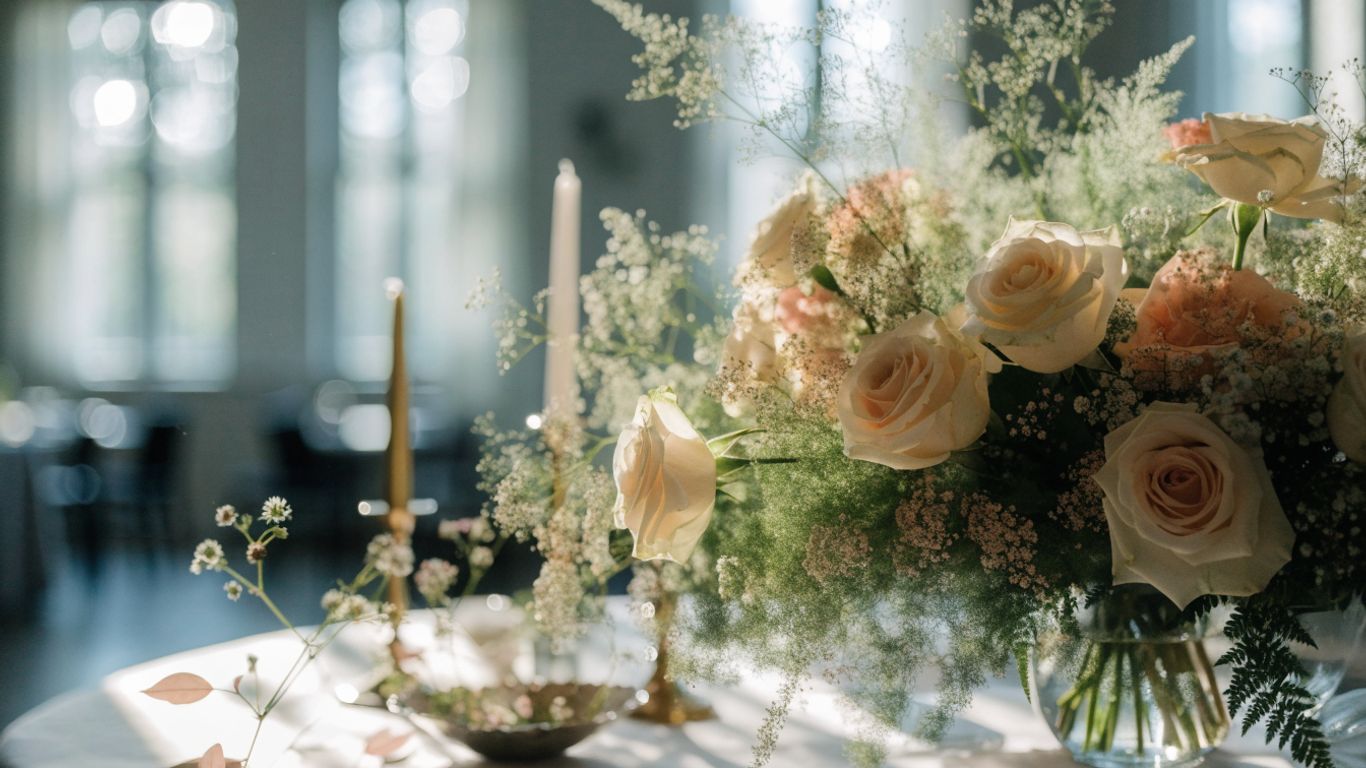
When a florist suggests a flower or arrangement style, ask what makes it a good fit for your date, setting, and desired look. The answer may involve seasonal availability, the shape of the arrangement, or how the color works with the room. You are looking for a clear explanation, not a technical lecture. If a suggestion moves away from your original idea, ask what quality it is meant to preserve, such as texture or overall mood.
Compare seasonal alternatives and substitutions
Seasonal flexibility can help you keep the general feeling of an arrangement even if a particular bloom is unavailable or does not fit the budget. Ask which parts of the design can change and which are central to the look you have chosen. This small comparison can make substitutions feel less like a surprise later. A table can help you record the discussion without treating any option as a fixed promise:
| Design detail | Question to ask | What to note |
|---|---|---|
| Preferred flower | Is it expected to be available for my date? | Availability may need confirmation |
| Seasonal alternative | What could create a similar feel? | Compare color, shape, and texture |
| Arrangement scale | Could the size change within my range? | Note what should remain consistent |
| Substitution process | How will changes be discussed? | Clarify when you will be contacted |
Use the answers to separate your must-haves from details where you are open to alternatives. If exact flower varieties matter to you, ask how that preference would be documented in a proposal and what happens if availability changes.
Check how designs fit your venue and overall style
Ask the florist to explain how the suggested pieces relate to your actual setting, not just to a mood board. A design that looks beautiful in a photograph might feel too large for a narrow aisle or disappear in a tall, open room. Venue images, sample layouts, or measurements can help make the conversation more concrete. For a florist’s online portfolio, good florist website design can make images and service details easier to browse, but the examples still need to be discussed in relation to your own space.
How pricing and proposals work
Costs depend on the designs you choose and the scope of the work, so a short initial meeting may only establish a broad direction. Ask how and when the florist provides a written estimate, and what information they need to make it useful. A proposal is easier to compare when it names the planned pieces and describes relevant service arrangements. If anything remains provisional, ask for that to be marked clearly rather than treating a rough discussion as a final figure.
Learn what affects the floral estimate
The quantity, size, and complexity of arrangements can affect an estimate, as can the number of locations and the setup work involved. Your date and preferred flower varieties may also shape what options are available. Ask the florist which choices have the largest effect on the amount, so you can make adjustments deliberately rather than trimming details at random. Broad advice about other kinds of service costs, such as HVAC repair and replacement options, is not a guide to wedding flower pricing; base your floral decisions on the florist’s own written information.
Clarify what is included in the quoted price
Ask whether the estimate covers the floral designs you discussed, delivery, setup, and any later collection or breakdown. Check whether rental items, taxes, or other charges are included or listed separately. A proposal should help you see what you are agreeing to, not leave important pieces to guesswork. This is also a good moment to ask how a changed guest count or venue plan could affect the scope.
Ask about minimums, deposits, and payment terms
If the florist has a minimum spend, ask what it applies to and whether it includes any service elements. Confirm the deposit amount, payment schedule, cancellation terms, and when a date is considered booked. Do not assume that a consultation reserves availability. The written agreement is the best place to check these details, and you can take time to read it before deciding.
What to do after the consultation
Give yourself a little space to review what you heard before making a decision. Compare the written details with your notes, and check that the proposal reflects the priorities you actually discussed. A florist’s communication and clarity are part of the experience, alongside the flowers themselves. If a question is still open, it is fine to ask for clarification before moving forward.
Review the proposal and identify open questions
Read the proposal carefully and mark anything that is missing, unclear, or different from your understanding of the conversation. Check the listed designs, quantities, delivery arrangements, and any stated assumptions about availability or venue access. You can send a short list of questions rather than reopening the whole discussion. If you received no proposal, ask what the next step is and what information the florist needs to prepare one.
Compare options without overlooking service details
If you are considering more than one proposal, compare like with like: which arrangements are included, what setup is covered, and how changes are handled. A lower total may reflect a different scope, so look beyond the headline number. You might also consider how clearly each florist answered your questions and whether the proposed style feels right for your venue. Articles on organizing floral consultations can offer a useful perspective on preparing questions and sharing your vision.
Confirm the next steps and booking timeline
Once you know what you want to do, ask how to reserve the date, what needs to be signed, and when payments are due. If you are not ready, ask how long the proposal remains current and whether the florist can confirm availability later; do not rely on assumptions about a hold. A consultation preparation guide also discusses the value of contacting a florist early, though timing and availability vary. Make the decision that fits your plans and comfort level, then keep the final agreement and important messages together.
Conclusion
A free wedding flower consultation is most useful when you arrive with a few clear priorities and leave with a better understanding of the florist’s ideas, pricing process, and next steps. You do not need every detail decided before you meet; thoughtful questions and an open conversation are enough to start shaping flowers that feel at home in your celebration.
Frequently Asked Questions
What should I bring to a wedding flower consultation?
Bring your wedding date, venue details, approximate guest count, a budget range, and a few inspiration images or color references. Mention anything that is still undecided so the florist can account for it.
Is a free wedding flower consultation really free?
It depends on the florist and what the meeting includes. Ask whether there is a fee, what the consultation covers, and whether detailed design work or a written proposal involves a separate charge.
How long does a wedding flower consultation take?
The length varies by florist and by how much you need to discuss. Confirm the expected meeting time when you schedule it, and ask whether follow-up is available if you run out of time.
Do I need to know exactly what flowers I want?
No. A general sense of color, mood, and priorities is enough to begin. The florist can discuss possibilities and explain how the venue, season, and budget may shape the options.
Should I set a floral budget before the meeting?
Yes, even a flexible range can make the conversation more practical. Be clear about what the range needs to cover, and ask which choices have the greatest effect on the estimate.
Can I ask a florist to match an inspiration photo?
You can share a photo and explain what appeals to you, but the result may need to differ because of flower availability, venue conditions, or other practical details. Ask which visual qualities can be carried into an adapted design.
Does a consultation reserve my wedding date?
Not necessarily. Ask when the date is confirmed, whether a signed agreement or deposit is required, and how long the florist can confirm availability while you review the proposal.