Key Takeaways
Beautiful wedding flowers become much easier to manage when you decide what matters most before discussing stems, colours, or arrangements.
- Start with the venue, season, and overall wedding style.
- Separate essential flowers from decorative extras.
- Request quotes that clearly explain quantities, labour, delivery, and setup.
- Choose flowers that can cope with Melbourne’s changing weather.
- Confirm the final plan, access arrangements, and backup options before the wedding week.
Define your wedding flower vision and priorities
A clear flower brief is the foundation of stress free wedding flowers Melbourne couples can actually enjoy. Before contacting florists, think about the atmosphere you want guests to feel, the spaces that need attention, and the flowers you will personally notice. You do not need to know every flower name. You do need a shared sense of style, scale, and priority.
Match your flowers to the venue and season
Begin with the venue rather than a bouquet photograph. A bright garden, dark city room, winery, beach ceremony, and historic hall will each make flowers appear differently. Consider existing colors, ceiling height, furniture, ceremony backdrops, and how much natural light the space receives.
Melbourne’s seasons also affect availability and durability. A summer outdoor ceremony may call for flowers that tolerate heat, while a winter celebration can suit richer tones and more textural foliage. Ask what will be naturally available around your date rather than building the entire plan around one hard-to-source bloom.
Choose a colour palette that complements your styling
A useful palette usually contains a dominant color, one or two supporting tones, and a neutral element such as cream, foliage, or soft brown. Bring fabric swatches, invitation colors, or a photograph of the reception styling so the florist can see the full context.
Your flowers do not have to match every detail. They should sit comfortably beside the dress, tableware, signage, and venue finishes. A restrained palette often looks more considered than a collection of individually beautiful colors competing for attention.
Separate essential arrangements from optional extras
List the flowers that serve a practical or emotional purpose first: the bridal bouquet, buttonholes, ceremony focal pieces, and reception arrangements. Then create a second list for features such as hanging installations, cake flowers, welcome signs, flower crowns, or additional aisle decoration.
This distinction makes budget decisions much less painful. If costs rise, you can reduce or remove an optional feature without losing the flowers that appear in photographs or remain close to you throughout the day.
Create a realistic floral mood board
A mood board should show more than individual bouquets. Include venue interiors, table shapes, bridesmaid outfits, stationery, textures, and examples of the scale you like. Label images with short notes such as “airy,” “low centerpiece,” or “warm white,” so a florist understands what attracted you to each reference.
It can also help to keep the board small. Ten carefully chosen images usually communicate more clearly than fifty loosely related ones. If music is part of the wider atmosphere you are planning, a custom wedding dance may help you think about the mood and pacing of the reception as a whole.
Understand wedding flower costs in Melbourne
Wedding flowers are priced as a combination of product, design time, preparation, transport, installation, and pack-down. The same flower budget can look very different depending on whether it covers a bouquet and a few tables or a large ceremony structure. Treat online figures as starting points, not promises.
A useful way to compare local guidance is to review a Melbourne flower pricing guide, then ask each florist to explain which parts of the quote are fixed and which may change with seasonal supply. That conversation is often more valuable than chasing one headline number.
Typical pricing for bridal bouquets and buttonholes
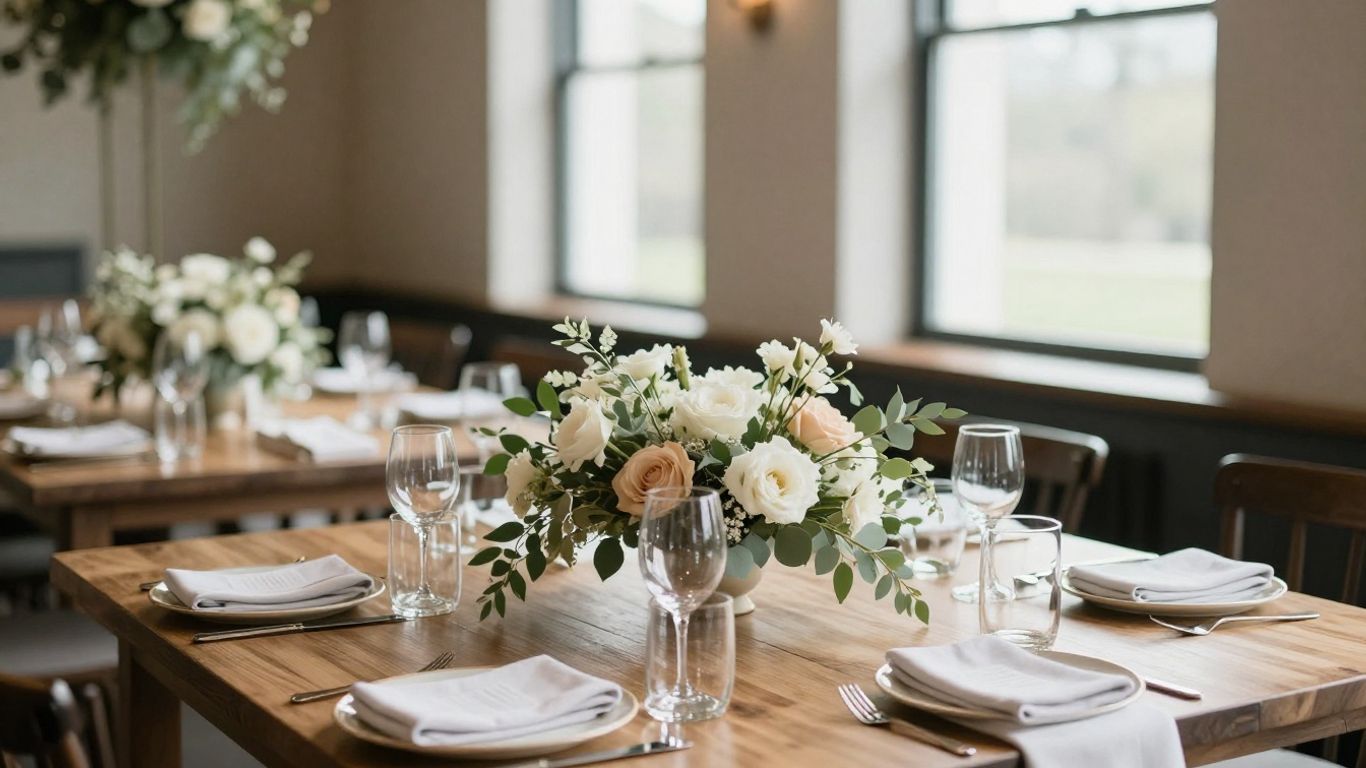
Bridal bouquets vary with size, flower choice, looseness of the design, and the amount of labor involved. Bridesmaid bouquets, buttonholes, corsages, and flower-girl accessories add individually, so quantities matter more than many couples expect.
Ask whether delivery, ribbon, pins, wrapping, and consultation time are included. A lower-looking bouquet price may not be comparable if those services appear elsewhere in the quote. For a broader sense of how floral costs can affect planning decisions, average wedding flower costs offer useful context, though national figures will not describe every Melbourne wedding.
Ceremony flowers, reception arrangements, and installations
Ceremony flowers can include aisle pieces, an arbor, a signing table arrangement, or a larger focal installation. Reception work may involve bud vases, low centerpieces, elevated arrangements, a bridal-table feature, or flowers moved from the ceremony later.
Installations usually require more than flowers alone. Structure, mechanics, ladders, delivery timing, venue rules, and skilled setup can all be part of the cost. If you like a more artistic, statement-led approach, floral couture arrangements can be a useful reference point when discussing the difference between a simple arrangement and a built installation.
Factors that increase your floral budget
The biggest cost changes usually come from scale and labor rather than one expensive flower. A tall design needs more mechanics and preparation, while a delicate loose bouquet may take considerable design time even when it looks effortless.
When reviewing a quote, these are the details most likely to change the total:
- The number and size of bouquets, buttonholes, and table arrangements.
- Imported or out-of-season flowers requested for a specific date.
- Large arches, hanging work, ceiling pieces, or flower walls.
- Delivery distance, venue access, setup time, and pack-down requirements.
Once you understand the reason behind each line, you can make a deliberate adjustment instead of cutting items at random. Budget planning is calmer when the trade-offs are visible.
Ways to save without compromising the overall look
Concentrate flowers in the places guests will spend time and where photographs are taken. Reusing ceremony arrangements at the reception can stretch the design further, provided the venue schedule allows a safe and realistic transfer.
You can also choose a seasonal palette, use more foliage or locally available flowers, reduce the number of varieties, and select low arrangements that create impact through repetition. A mixed fresh-and-artificial approach may suit some venues and budgets; the key is making the finish feel intentional rather than treating substitutes as an afterthought.
Choose the right Melbourne wedding florist
The right florist is not simply the person with the prettiest social feed. You need someone whose work suits your scale, whose pricing is clear, and whose communication makes decisions easier. Look for evidence that they understand practical wedding logistics as well as color and composition.
A helpful portfolio should show complete weddings, not only close-ups. The personalized wedding styling shown by one Melbourne florist can help you notice how a consistent visual idea carries from bouquets to ceremony flowers and reception tables.
What to look for in a florist’s portfolio
Look for variety in venues, seasons, lighting conditions, and wedding sizes. Close-ups reveal flower quality and construction, while wider images show whether arrangements are correctly scaled to the room. Notice how bouquets are held, how table designs leave space for guests, and whether installations look secure.
Also ask whether the portfolio reflects the florist’s own work. A clear answer matters because the person you consult may not be the person designing or installing the flowers on your wedding day.
Questions to ask during your consultation
Bring your date, venue, guest estimate, wedding party numbers, color direction, and a realistic budget range. Ask how the florist handles seasonal substitutions, what is included in setup, and when final quantities must be confirmed.
You can also ask who will be your main contact, whether a proposal includes tax and delivery, how hire items are returned, and what happens if the venue changes its access window. A florist who welcomes practical questions is usually easier to work with later.
Checking availability, reviews, and communication style
Availability should be confirmed before you become attached to a detailed proposal. Ask whether the florist is taking another event that day and whether they have a team for delivery and installation. Reviews can reveal whether past clients experienced clear communication, punctuality, and tidy setup—not just attractive flowers.
Pay attention to the consultation itself. If replies are consistently vague or delayed before booking, the planning stage may become unnecessarily difficult. You should leave the conversation with a clearer plan, even if every design decision is not final.
Comparing quotes beyond the total price
Put competing quotes into the same structure before comparing them. A quote that includes delivery, setup, vessels, labor, and pack-down may be better value than one with a lower total but several missing services.
| Quote detail | Why it matters | What to clarify |
|---|---|---|
| Flower quantities | Shows the true scale of the proposal | Confirm stems, bunches, or finished arrangements |
| Delivery and setup | Covers the work between the studio and venue | Ask about timing, access, and pack-down |
| Hire items | Prevents surprises around vases or structures | Confirm deposits, collection, and damage terms |
| Substitution policy | Explains how seasonal changes are handled | Ask who approves significant changes |
After that comparison, choose the quote that feels transparent and achievable, not automatically the cheapest one. Clear expectations are part of the service.
Select flowers that are beautiful and practical
A flower can be gorgeous in a reference image and still be a poor choice for a hot ceremony, a long photography session, or a crowded dinner table. Practicality does not mean choosing plain flowers. It means matching each bloom to the conditions it will face.
Think about temperature, wind, water access, travel time, table height, and how long arrangements must remain fresh. Your florist can suggest alternatives that preserve the color, shape, or texture you love without relying on a fragile variety.
Seasonal blooms available in Melbourne
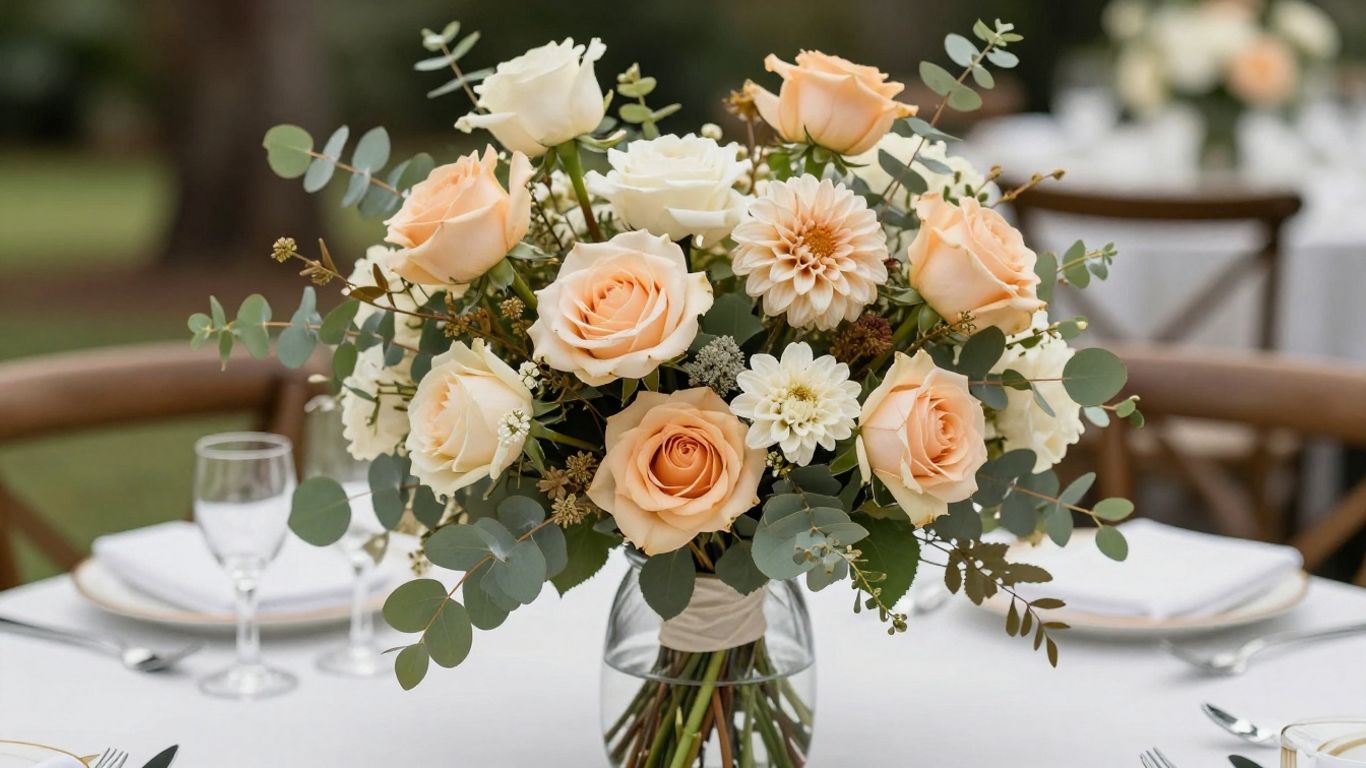
Seasonal flowers tend to offer better availability and a more natural sense of place. Depending on the month, a florist may suggest roses, chrysanthemums, dahlias, sweet peas, natives, flowering branches, or other locally available options, with exact supply changing from year to year.
Rather than asking only for a particular flower, describe the quality you want: rounded, airy, sculptural, romantic, colorful, or textural. This gives the florist room to protect the overall look if a specific bloom is unavailable.
Long-lasting flowers for warm or unpredictable weather
Outdoor weddings need extra planning because heat, wind, and direct sunlight can shorten the life of delicate flowers. Bouquets should be kept cool and hydrated until close to the ceremony, while arrangements should not sit in full sun for hours before guests arrive.
Have a weather plan for flowers as well as people. Shade, shorter display times, sturdy mechanics, and a cool holding area can make a noticeable difference. If weather is highly changeable, discuss the decision point for moving arrangements indoors.
Low-maintenance options for bouquets and table arrangements
Low-maintenance does not mean maintenance-free. It means choosing flowers and designs that are more forgiving when schedules shift. Foliage, sturdy blooms, compact bouquets, and low table arrangements are often easier to transport and less likely to obstruct conversation.
For tables, keep the design below eye level unless the structure is deliberately raised. Guests should be able to see each other, reach their place settings, and move comfortably around the arrangement. Practical design usually photographs well because it looks settled rather than crowded.
When to use dried, preserved, or silk flowers
Dried and preserved elements can work well for keepsakes, low-water displays, or parts of a design that need to be prepared well in advance. Silk flowers may suit an installation that must be reused, transported over distance, or kept in place for a long period.
Use them consistently enough that the material choice feels deliberate. A florist may combine fresh flowers with artificial or dried elements, but ask to see examples in natural light so you can judge texture, color, and finish before committing.
Plan a smooth flower ordering and delivery process
Most flower stress comes from unclear handoffs rather than difficult design decisions. Once the florist is booked, keep one current brief containing the date, venue contacts, quantities, arrangements, access times, and approved visual references. Share updates in writing so small changes do not disappear in messages.
A simple timeline gives everyone room to respond. It also helps you avoid making major decisions during the final week, when attention should be on getting ready rather than rebuilding the order.
Build a realistic floral planning timeline
Start with research and budget planning several months before the wedding, particularly for peak dates or larger installations. Book the florist once you have the venue and date, then refine the palette and arrangement list as styling decisions become more settled.
Final quantities, delivery details, and substitutions should be confirmed according to the florist’s process. Do not leave the final brief to the last few days if your design includes many personal flowers or complex setup.
Confirm quantities, colours, and arrangement sizes
Write down every item, from the bridal bouquet to the smallest buttonhole. Include who receives each personal flower, how many tables need arrangements, and which ceremony pieces may be moved later. Use the same spelling and naming conventions throughout the brief.
Size deserves equal attention. A centerpiece that looks balanced in a sample photograph may overwhelm a narrow table or disappear in a large room. Ask for approximate dimensions and, where possible, compare them with the venue’s actual furniture.
Coordinate delivery, setup, and venue access
Give the florist one venue contact and confirm where the team can unload, park, store flowers, and dispose of packaging. Check whether elevators, loading docks, security desks, stairs, or restricted arrival windows will affect setup.
If the ceremony and reception are at different locations, establish who moves any reusable flowers and when. A beautiful repurposing plan is only useful if there is enough time, transport, and labor to carry it out safely.
Prepare for substitutions and last-minute changes
Seasonal flowers can vary in color, size, and availability even after a proposal is approved. Ask the florist what level of change is considered minor and when they will contact you about a major substitution. Agree on a replacement direction rather than trying to approve every possible flower in advance.
Keep one or two acceptable alternatives in mind for your most important arrangements. This protects the character of the design while giving the florist practical flexibility. If planning decisions are making you tense, even a general guide to managing emotional choices can be a useful reminder to pause, set limits, and return to the agreed brief.
Keep your wedding flowers stress free on the day
By the wedding morning, the best plan is one that runs without constant input from you. Flowers should arrive at an agreed location, personal items should be labeled, and someone else should know which arrangements belong where. Your role is to enjoy the day, not direct every vase.
A short handover document or shared phone note can prevent repeated questions. Include the florist’s contact, venue contact, setup instructions, and any approved changes in one place.
Assign someone to manage flowers and personal items
Choose a reliable person who is organized, calm, and not needed for photographs every minute. Give them responsibility for receiving bouquets, distributing buttonholes, checking ceremony pieces, and keeping personal flowers in a cool, safe place.
This person should know where the wedding party is getting ready and when everyone needs their flowers. They should also understand that delicate arrangements must not be left in hot cars, direct sun, or crowded walkways.
Make sure bouquets and buttonholes are handled correctly
Bouquets should remain hydrated and supported until close to the ceremony. When carrying them, hold the stems comfortably rather than squeezing the flowers, and keep the arrangement upright unless the florist has advised otherwise.
Buttonholes and corsages should be pinned securely to clothing without damaging delicate fabric. Ask the florist or coordinator to demonstrate placement before the wedding party disperses, especially if different outfits require different pinning positions.
Repurpose ceremony flowers at the reception
Repurposing can make a floral budget work harder, but it needs a named person and a clear destination for every piece. Decide in advance whether an arbor arrangement will move behind the bridal table, whether aisle flowers will become table clusters, or whether a signing-table piece will sit near the cake.
Do not rely on guests to move large or fragile installations casually. A florist, venue team, or designated coordinator should handle the transition with the right equipment and enough time between events.
Review the final details with your florist before the wedding
A final review should confirm the date, delivery window, venue entrance, setup contact, personal flower quantities, color direction, arrangement sizes, and substitution policy. Keep the approved proposal and final changes together so there is no confusion about which version is current.
Once those details are settled, stop reopening the entire design. Small adjustments are normal, but a clear final brief gives your florist the best chance of delivering a cohesive result and gives you permission to step away from the planning.
Conclusion
Stress free wedding flowers Melbourne couples love usually come from thoughtful choices made early: a realistic brief, a transparent quote, weather-aware flowers, and a clear delivery plan. Focus the budget on the arrangements that matter most, trust seasonal alternatives, and hand day-of responsibility to someone dependable so the flowers can support the celebration instead of competing with it.
Frequently Asked Questions
How far in advance should I book a Melbourne wedding florist?
Booking several months ahead is sensible, especially for peak wedding dates, large installations, or a particular florist whose work you already admire. Earlier planning gives you more time to refine the brief and respond to seasonal limitations.
What should be included in a wedding flower quote?
A quote should identify the arrangements, quantities, flower direction, delivery, setup, hire items, labor, taxes where applicable, and any pack-down or collection charges. It should also explain how substitutions are managed.
How much should I budget for wedding flowers?
There is no single useful figure because guest count, venue scale, flower choices, personal arrangements, installations, and labor all affect the total. Ask for a proposal based on your actual priorities rather than relying only on a national average.
Are seasonal flowers a better choice for a wedding?
Seasonal flowers are often easier to source and can provide better value, but availability still changes with weather and supply. A flexible color and texture brief lets the florist make suitable substitutions without losing the intended look.
How can I make wedding flowers more affordable?
Prioritize personal flowers and key photographic areas, use seasonal varieties, repeat a smaller selection of blooms, choose low arrangements, and repurpose ceremony pieces at the reception. Always ask what labor and transport are included before comparing prices.
How do I protect flowers during a hot outdoor wedding?
Keep bouquets cool and hydrated, avoid extended direct sunlight, use durable varieties, and confirm where flowers can be stored before setup. A backup indoor location is useful when Melbourne weather becomes unpredictable.
Who should manage the flowers on the wedding day?
Assign the task to a coordinator, trusted family member, or member of the wedding party who is organized and not responsible for another major part of the ceremony. Give them written instructions and the florist’s contact details before the day.