Key Takeaways
A considered floral plan can feel personal and polished without assigning every arrangement the same share of the budget. Start with your priorities, then confirm the practical details before placing an order.
- Choose the floral moments that matter most before setting the rest of the plan.
- Compare complete quotes, including delivery, setup, and any additional fees.
- Ask about seasonal choices and use statement blooms selectively.
- Plan where arrangements can be reused, and check venue access and rules.
- Put final selections, substitutions, responsibilities, and costs in writing.
Set a realistic wedding flower budget
A useful flower budget starts with what you want the day to feel like, not a long list of arrangements copied from someone else’s wedding. Set a comfortable overall amount, then decide which parts of the celebration should receive the most attention. When you look for affordable wedding flowers Altona, remember that the clearest comparison is between complete proposals for your own needs. Leave some breathing room for practical costs that may not appear in an initial estimate.
Decide which arrangements matter most to you
Think through the moments guests will notice and the flowers you personally care about. For one couple, the bouquet may be the most meaningful detail; for another, it could be a ceremony focal point or a welcoming reception table. Give your priorities a rough order before contacting florists, so your first conversation has a clear starting point. That makes it easier to adjust lower-priority details without losing the feeling you want.
Estimate costs for bouquets, ceremony flowers, and reception decor
Ask for costs by arrangement type rather than relying on a single total with little explanation. A simple breakdown lets you see how the bouquet, ceremony pieces, and table flowers affect the overall plan. The figures below are categories to request, not fixed prices: each quote depends on the design, flower choices, quantity, and delivery details. Use the comparison to spot what needs clarification before weighing one proposal against another.
| Arrangement or service | What to clarify | Why it affects the plan |
|---|---|---|
| Personal flowers | Which bouquets and wearable flowers are included | Helps define the most personal pieces |
| Ceremony flowers | Number, placement, and size of arrangements | Makes the visual focal points clear |
| Reception flowers | Table count and design for each table | Connects the design to your guest layout |
| Delivery and setup | Timing, access, and labor included | Shows whether the quote covers venue logistics |
Once you have these details, compare like with like rather than choosing based on a headline total. A lower estimate may describe fewer pieces or leave out setup, while a higher one may include work you do not need. The same scope-first habit can help when comparing SEO provider pricing, steel building costs, custom-home planning, February marketing ideas, and SEO risk factors—though the decisions themselves are quite different.
Leave room for delivery, setup, and other fees
The flower order is only one part of the day’s logistics. Ask whether delivery, placement, installation, and any later collection are included, and check if the venue’s access window could affect the plan. If a quote uses a separate fee or allowance, ask what it covers rather than guessing. A clear fee breakdown helps you protect the budget and avoid surprises as the event gets closer.
Compare package pricing with à la carte options
Packages can be convenient when their included pieces match your plans, while à la carte ordering can make it easier to focus on a smaller set of priorities. Ask the florist to explain which option fits your guest count, venue, and preferred level of floral detail. Compare the same arrangement list under each approach when possible. Then choose based on what you will actually use, not on the number of items in a package.
Find a florist who fits your needs
A good fit is about more than proximity: you want a florist who understands the look you have in mind and can explain how the order will work. Share your approximate budget and priorities early, then listen for practical questions about date, location, quantities, and setup. Browsing Altona wedding flower ideas, local florist profiles, delivery cost considerations, wedding bloom planning, and Melbourne flower delivery can give you useful starting points for your own conversations. Treat examples as inspiration, then ask each florist what they can provide for your particular date and venue.
Search Altona florists and nearby delivery areas
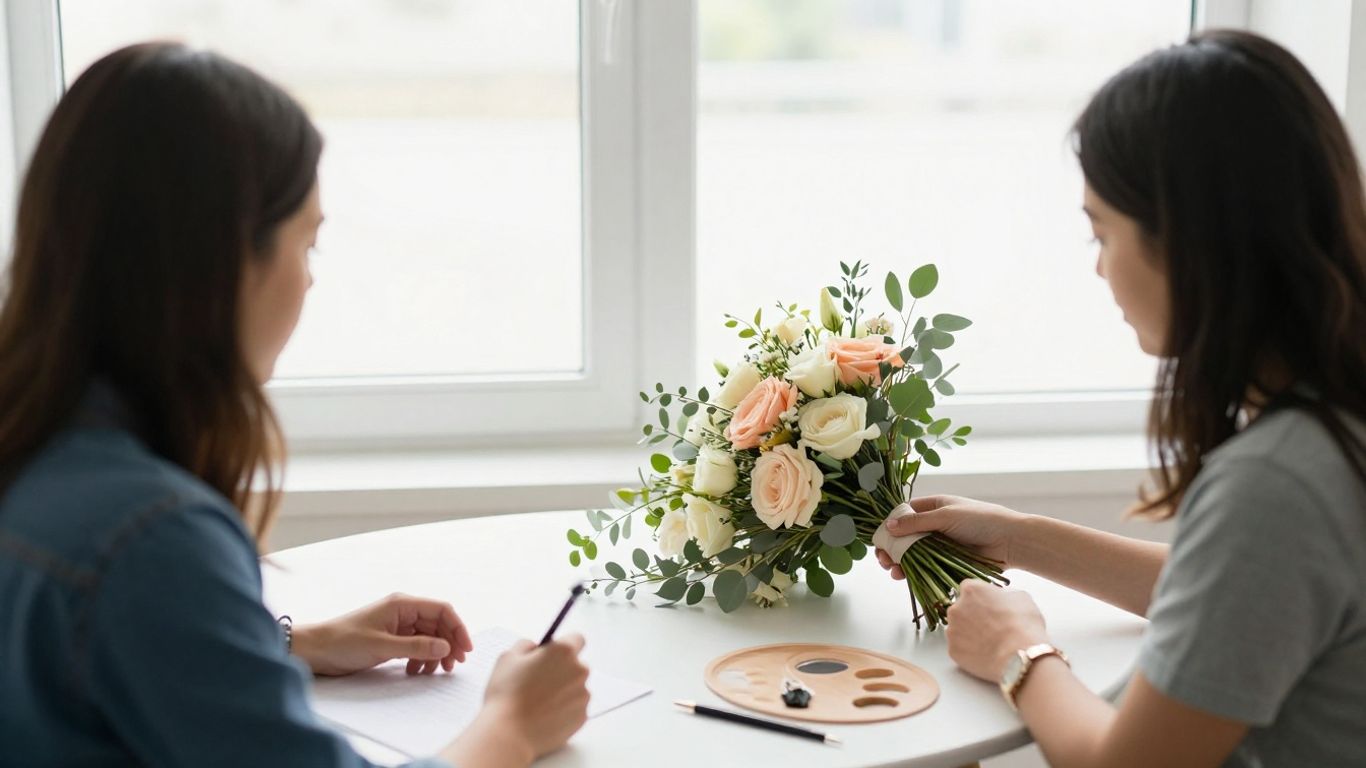
Begin with florists who serve the wedding location, then confirm that your venue is within their delivery area. A nearby shop may be convenient, but distance alone does not tell you whether the team can meet your timing or setup needs. When searching, include the venue suburb and wedding date, and ask how delivery is arranged. This narrows the list to people who can discuss the real logistics of your day.
Review portfolios for styles similar to yours
Look for examples that share the mood, color palette, or scale you are considering. A portfolio can help you describe what appeals to you, but it should not be treated as a promise that every flower shown will be available on your date. Notice whether the florist’s work feels suited to your venue and the kinds of arrangements you need. Bringing a few references to a consultation is more helpful than sending a large collection of disconnected images.
Ask what is included in a written quote
A quote should make it possible to understand what you are ordering and what remains your responsibility. Ask for arrangement quantities, flower or color notes, delivery and setup terms, and any fees to be listed clearly. If something is described broadly, request a little more detail before you compare it with another proposal. Clear information now makes later changes easier to discuss.
Check availability, minimum orders, and booking terms
Confirm that the florist is available for your date before spending too much time refining designs. Ask whether a minimum order applies, what payment schedule is used, and when selections need to be finalized. It is also sensible to understand how changes or cancellations are handled. These practical terms help you decide whether the arrangement is manageable as well as appealing.
Choose flowers that help manage costs
Flower choice affects the look, but the overall design and quantities matter just as much. You do not need every stem to be rare or elaborate for the arrangements to feel considered. Tell the florist which colors and shapes you like, and stay open to comparable choices that suit the date and budget. A flexible brief often gives the designer more ways to find a workable combination.
Ask which blooms are seasonal for your wedding date
Ask what is likely to be available around your wedding date, and which alternatives could give a similar feel if a particular bloom is difficult to source. Seasonal availability varies, so treat the conversation as planning guidance rather than a guarantee. If you have a favorite flower, explain what you love about it—its color, shape, or texture. That gives the florist a useful direction if the exact stem needs to change.
Use a few statement flowers with affordable supporting blooms
A focal flower can make an arrangement feel distinctive, while supporting blooms and foliage add shape and fullness around it. Talk through where a statement stem will have the greatest visual effect instead of repeating it in every piece. This approach can help keep the overall design intentional without asking every arrangement to do the same work. Ask your florist to show how the supporting choices will complement the main flowers.
Consider greenery, foliage, and simple fillers
Greenery and smaller supporting flowers can bring texture and continuity to a design. They may also help connect pieces used in different parts of the venue, especially when the palette stays consistent. The right balance depends on the look you prefer, so describe whether you want airy, compact, or more foliage-forward arrangements. A few clear preferences are often more useful than requesting a long list of specific stems.
Compare fresh flowers with dried or faux alternatives
Fresh, dried, and faux flowers each create a different look and have different handling needs. Consider how the arrangements will appear in the venue, how they will travel, and whether you want to keep them afterward. If you are considering alternatives, ask how their cost, appearance, and setup compare with fresh arrangements for your plan. Choose based on the overall design and practical fit, rather than assuming one option is always less expensive.
Make the most of your floral design
Thoughtful placement can help a modest number of arrangements do more. Before adding new pieces, look at where the flowers will be seen and whether the same design can serve more than one purpose. Coordinate any move with your florist and venue so the plan is realistic on the day. Small choices about scale and repetition can make the room feel cohesive without filling every surface.
Reuse ceremony arrangements at the reception
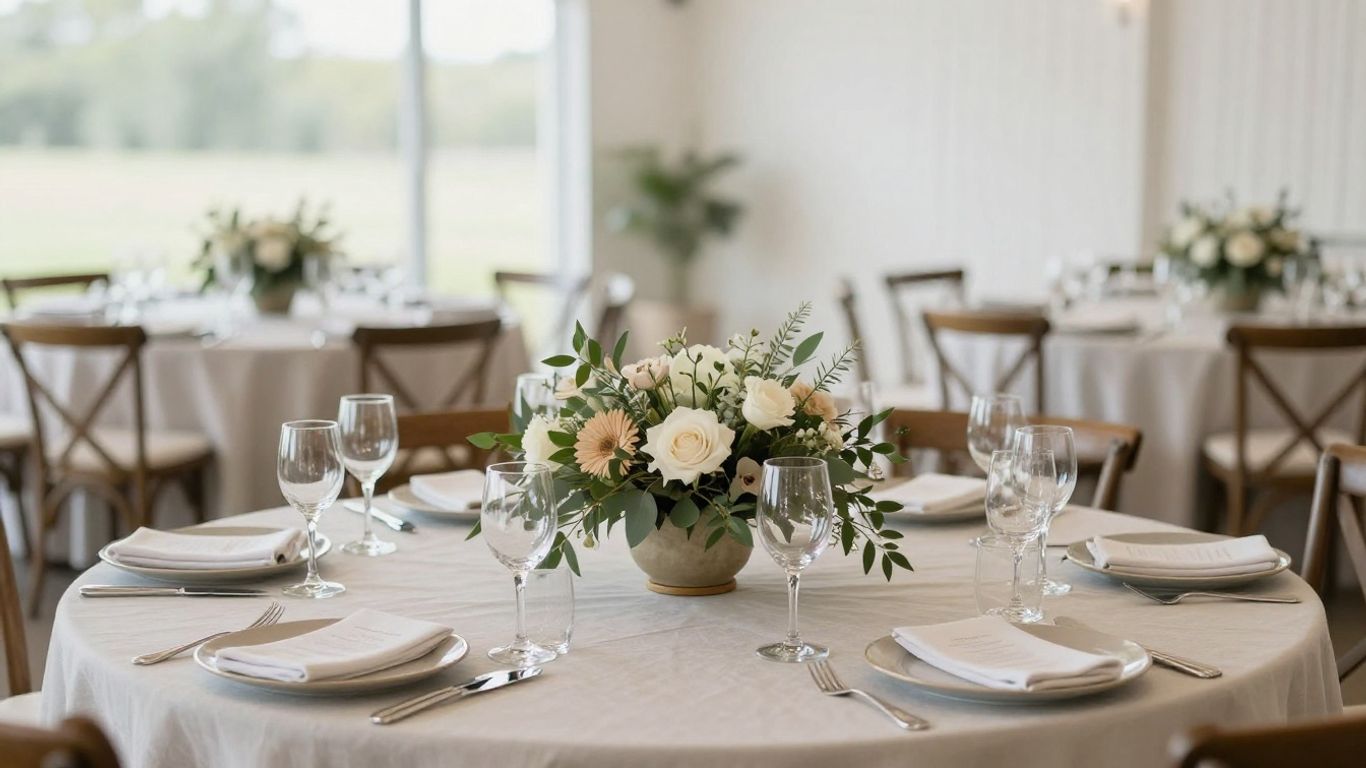
Some ceremony pieces may work again at the reception, provided their size and construction suit the new location. Decide in advance which arrangements could be moved, who will handle them, and when the transition can happen. Keep in mind that moving flowers takes time and may depend on venue access. With a clear plan, reuse can reduce duplication while preserving a connected look.
Choose versatile pieces that work in more than one space
When discussing designs, consider whether a piece could fit beside the ceremony space and later near the guest book, entrance, or reception area. Versatile arrangements are easiest to reuse when they are sized for transport and do not rely on a single fixed surface. Ask the florist which pieces can move safely and what support they require. That answer can help determine whether a flexible design is practical for your day.
Keep table designs simple and easy to replicate
Repeating a restrained table design can create a calm, coordinated room and make quantities easier to estimate. Decide on the table count and a consistent arrangement style before adding special designs to individual tables. To keep that plan grounded, share your guest layout and ask what arrangement size will suit each table. A clear repeatable design also makes it easier to understand what is included in the quote.
Match the scale of arrangements to the venue
A large arrangement can feel out of place in a small room, while a very subtle design may disappear in a broad space. Consider sightlines, table size, ceiling height, and where guests will gather. You can use a few more prominent pieces in focal areas and keep other parts simple. A florist’s advice on scale can help the flowers feel balanced without requiring decoration everywhere.
Plan around your venue and wedding date
The setting and schedule can affect which flowers are practical and how the order is delivered. Get venue details early, including rules for installations and the times when suppliers can enter. Share the location and timing with your florist before finalizing a design. A little advance coordination helps prevent a beautiful plan from becoming difficult to install or maintain.
Confirm venue rules for setup, candles, and installations
Ask the venue what it allows before choosing arrangements that attach to structures, occupy walkways, or sit near candles. Confirm who approves installations and whether there are restrictions on fixings, flames, or cleanup. It is better to adjust a design during planning than to discover a limitation on the wedding day. Give the florist the venue’s instructions in writing so everyone is working from the same information.
Share access times and delivery instructions with your florist
Provide the confirmed address, delivery window, loading details, and a contact person for the day. If the florist needs to enter through a particular door or work within a short setup period, say so early. Ask who will be present to receive the flowers and where they should be placed. Clear instructions help the delivery and setup plan fit the venue’s schedule.
Consider heat, wind, and transport when selecting blooms
If flowers will be outdoors or travel between locations, discuss the conditions they may encounter. Ask which choices are suitable for the expected setting and how arrangements should be protected during transport. Weather is difficult to predict, so consider both the intended design and the practical handling requirements. Your florist can help you decide which details are worth keeping flexible.
Build a backup plan for outdoor arrangements
An outdoor ceremony can be affected by wind or a change in weather, so decide where arrangements could go if the original plan needs to move. Check whether the alternative space has different access rules or a different layout. Tell the florist and venue who makes the call and when the decision will be made. A simple backup plan makes it easier to adapt without redesigning everything at the last moment.
Finalize the order with confidence
Once the design direction is settled, gather the details that will let the florist prepare an accurate order. Share the practical information alongside your visual preferences, and ask questions about anything that could change. Read the final proposal carefully before approving it. The goal is not a complicated document; it is a shared understanding of what will arrive, when, and at what cost.
Share your guest count, color palette, and inspiration photos
Give the florist your current guest count, the palette you have chosen, and a small set of images that show the overall mood. Explain what you like in those references so the images do not accidentally imply details you do not want. Include venue and table information if you have it. If any part of the plan is still undecided, mark it clearly rather than presenting it as final.
Confirm substitutions for unavailable flowers
Ask how the florist will handle a flower that becomes unavailable, and agree on what makes an alternative suitable. You might want to preserve the color, shape, or general feeling, even if the exact variety changes. Confirm whether you will be contacted before a substitution and how changes affect the final cost. A shared approach now helps avoid confusion later.
Review delivery, setup, and collection responsibilities
Before approving the order, check who delivers and places each arrangement, whether items will be moved between spaces, and whether anything must be collected afterward. Confirm the relevant times with both the florist and venue. If you or a member of your wedding party will handle part of the plan, make that responsibility explicit. Clear handoffs are especially useful on a day with a full schedule.
Get the final selections and costs in writing
Ask for a final document listing the agreed flowers or design descriptions, quantities, delivery and setup terms, and total costs. Make sure any agreed substitutions and outstanding decisions are noted too. Read it once more with your venue schedule in mind, then keep a copy available to the people managing the day. With the details settled, you can focus on enjoying the flowers rather than revisiting the order.
Conclusion
Affordable wedding flowers in Altona come from making deliberate choices, comparing complete quotes, and planning for the realities of your venue and date. Focus spending on the arrangements that mean the most to you, stay open to seasonal alternatives, and put the final plan in writing. That gives your flowers room to feel personal without letting small details quietly push the budget off course.
Frequently Asked Questions
How far in advance should I book wedding flowers?
Start contacting florists once you know your date and venue, especially if your schedule is fixed. Ask each florist how far ahead they recommend booking and when they need your final selections.
What should I include in a wedding flower budget?
Include personal flowers, ceremony and reception arrangements, delivery, setup, and any collection or installation costs. Ask for each part to be shown clearly so you can compare proposals accurately.
Can seasonal flowers help keep costs manageable?
They may give your florist useful options for your date, but availability and pricing vary. Ask which flowers are expected to be suitable and what alternatives could create a similar look.
Which wedding flower arrangements should I prioritize?
Start with the pieces that matter most to you or will be central to the day’s experience. Then see how much of your remaining budget is available for secondary details.
Can ceremony flowers be reused at the reception?
Some can, depending on their size, construction, and the timing between events. Confirm who will move them and whether the venue schedule allows enough time.
What questions should I ask before accepting a florist’s quote?
Ask what arrangements and quantities are included, whether delivery and setup are covered, how substitutions are handled, and what booking terms apply. Request the final details in writing.
Are dried or faux flowers always less expensive than fresh flowers?
Not necessarily. Costs depend on the design, quantity, materials, and handling, so compare options for the same intended use and visual style before deciding.