Key Takeaways
Organizing a bright gift for a loved one under medical care requires careful attention to facility guidelines and thoughtful selection. These steps ensure your gesture arrives safely and brings comfort to the patient during their stay.
- Confirm hospital delivery hours and specific ward policies early.
- Choose low-odor, hypoallergenic flowers to ensure patient comfort.
- Verify patient room details to prevent delivery delays.
- Rely on professional florists familiar with local medical facility protocols.
- Balance personal well-wishes with clear delivery instructions.
Checking hospital delivery policies
Verify permitted delivery times
Before you place an order, always call the facility to confirm when couriers can drop off items. Most medical centers limit deliveries to specific hours to avoid disrupting clinical rounds or rest periods. Failing to check these times can result in your arrangement being held at a reception desk rather than reaching the patient, so prioritize calling ahead to ensure the staff can accommodate the arrival.
Understanding restrictions on flower types
Many modern wards have strict rules regarding the types of plants allowed in patient rooms. Some facilities prohibit highly fragrant lilies or plants potted in soil because they can harbor allergens or mold spores that might affect respiratory health. Instead, you might rely on James Cress Florist for expert arrangements that adhere to common hospital standards, prioritizing safety alongside visual appeal.
Confirming patient ward details and room numbers
To ensure your gift lands exactly where it should, double-check the patient’s current ward and specific room information. Hospitals often move patients between units for treatment or recovery, so a direct room number from a few days ago might be outdated. Having the correct location helps delivery personnel navigate the facility efficiently and ensures your thoughtful gesture finds the intended recipient promptly.
Selecting the right floral arrangement for a hospital setting
Prioritizing hypoallergenic and scent-free flowers
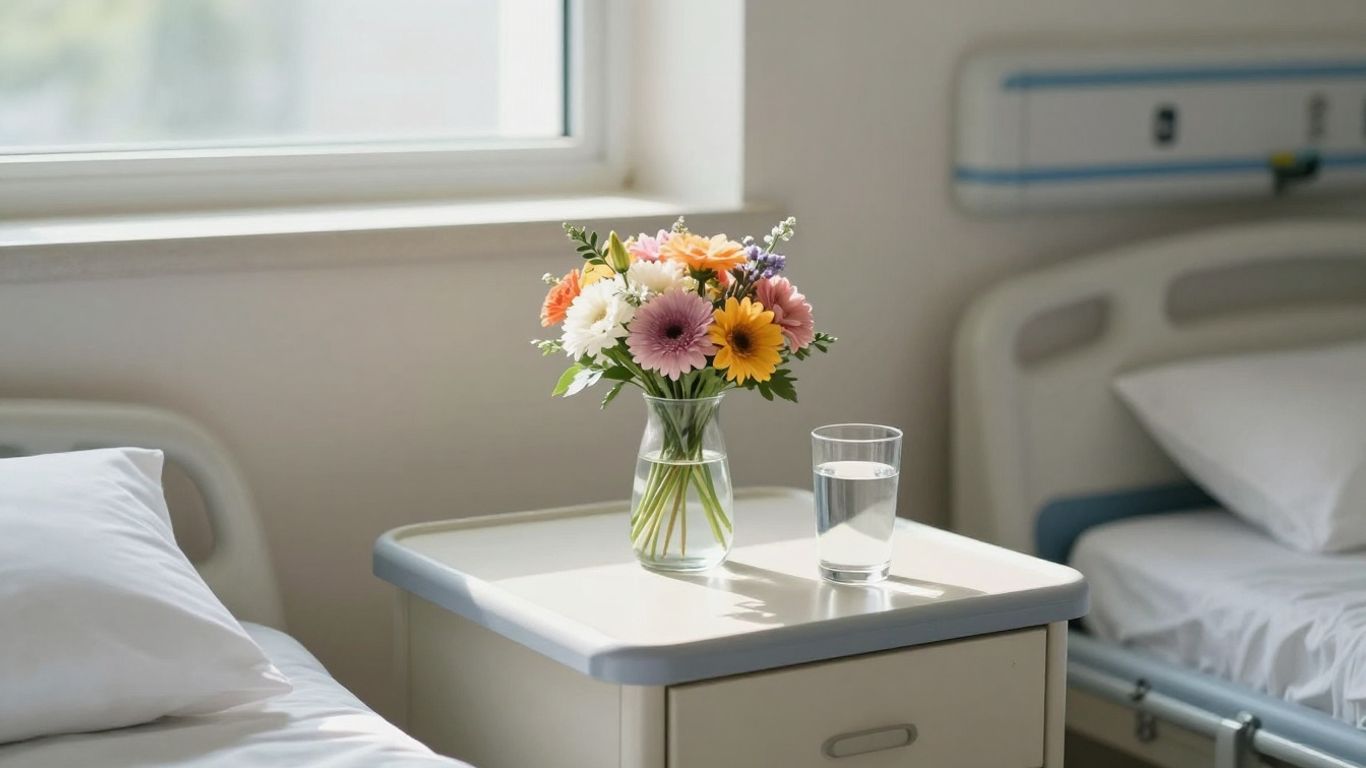
When selecting blooms for a clinical environment, lean toward flowers that are naturally scent-free or low-allergen. While classic choices like roses are popular, some patients may find their fragrance overwhelming in a small, enclosed room. Consulting a flower delivery to Altona hospital specialist can help you identify varieties that provide vibrant beauty without triggering sensitivity, maintaining a peaceful atmosphere for the patient.
Choosing compact arrangements for bedside tables
Space on bedside tables is often shared with monitors, water containers, and personal items, making smaller arrangements a practical choice. Bulky displays can easily become obstructive or get knocked over during nursing procedures. Consider opting for a design that is low-profile yet visually impactful, allowing the patient to enjoy the colors without sacrificing valuable surface space.
Considering low-maintenance containers and vases
Materials used for vases matter significantly in high-traffic hospital settings where durability is vital. Glass jars, while beautiful, carry a risk of shattering and require careful handling by busy staff members who often do not have the time to manage complex setups. Using containers that are simple, stable, or pre-arranged ensures the patient can focus on recovery rather than managing their gift.
| Feature | Recommended | Avoid |
|---|---|---|
| Fragrance | Mild or scent-free | Strong lilies or jasmine |
| Vase Material | Plastic, wood, or ceramic | Delicate or heavy glass |
| Arrangement Style | Compact and stable | Overly tall or sprawling |
Selecting features like these helps create a stress-free bedside experience for everyone involved, effectively organizing your floral gifts to be both beautiful and functional.
Working with local florists in Altona

Researching florists with hospital-specific experience
Finding a professional who understands the unique requirements of the local healthcare environment is crucial for success. These experts know the specific drop-off zones, visitor policies, and security checks that define a successful delivery, reducing the likelihood of issues. You might choose to browse options from Fig & Bloom or similar local businesses that demonstrate a track record of reliability within the immediate community.
Coordinating same-day or next-day delivery windows
Timing is often everything when you want to lift the spirits of someone facing a difficult health challenge. Most reputable local services offer defined windows for same-day delivery, provided you order by a specific cutoff time. This responsiveness is vital, as it allows your support to reach the patient exactly when they need a boost in morale the most.
Providing clear drop-off instructions for drivers
Providing exact details to the delivery team can make the difference between a successful handover and a missed connection. Specify the entrance number, the ward name, and whether the gift should be left at the reception or with specific staff on the floor. Detailed instructions act like a social status guide for navigation, guiding the professionals smoothly through the complex maze of hospital corridors.
- Confirm the hospital name and full address.
- Note any special entries or visitor reception hubs.
- Request a delivery confirmation notification via email.
- Mention any specific room or wing directions.
Writing a thoughtful get-well message
Balancing brevity with warmth
Your message stays most effective when it is concise yet genuinely emotive. A crowded card can be difficult for a tired patient to process, so keep your sentences short and focused on a single, encouraging sentiment. Focus on sending strength or letting them know they are in your thoughts without requiring them to feel pressured to write back immediately.
Addressing the recipient and the room information
Always ensure the card is clearly addressed so the hospital staff understands who the recipient is, regardless of whether the delivery is handled via courier. Including the recipient’s full name and their room number inside the card, as well as on the outside envelope, prevents any confusion during shift changes. This level of clarity signifies a respectful acknowledgment of the hospital’s operational needs.
Knowing when to include personal well-wishes
Deciding what to include often depends on your current relationship with the patient. For acquaintances, a simple, friendly wish for a restful recovery serves well; for closer friends or family, you might add a specific, uplifting memory or a promise of help upon their return home. The goal is to provide comfort, ensuring the tone remains light rather than overwhelming or excessively emotional.
Alternative gift ideas for hospital stays
Providing comfort items like magazines or puzzles
Patients often get bored of the clinical environment, so offering items that engage the mind can be truly restorative. Magazines featuring light topics, word search books, or small, portable puzzles allow the patient to occupy their time without high energy requirements. These activities create a sense of normalcy, keeping a person connected to the hobbies and interests they enjoy when they are healthy.
Offering practical gifts for a shorter stay
Should the expected discharge be sooner rather than later, focus on items that aid in immediate comfort during the transition home. High-quality personal care kits, soft slippers, or a new pair of comfortable pajamas can make a much larger impact than decorative items alone. Thinking pragmatically about the recovery process shows a deep awareness of their actual daily needs throughout the stay.
Respecting hospital rules on perishable goods
While perishable gifts like fresh fruit or custom arrangements are delightful, they are not always encouraged in every ward. Some areas, like Intensive Care Units, prohibit anything that might attract pests or present a food safety concern. Always verify the status of non-floral requests with the nursing station beforehand to ensure your gift is welcomed rather than inadvertently causing more work for the medical staff.
Conclusion
Navigating the process for a gift shipment is easy if you pay attention to the small details and follow the specific guidance provided by medical staff. Whether you are sending flowers or comfort items, prioritizing communication and local expertise ensures your efforts genuinely help the person you care about. By following these preparations, you make the entire experience smooth and comforting for the patient as they focus on their recovery.
Frequently Asked Questions
Can I send flowers to an Intensive Care Unit?
Most Intensive Care Units prohibit flowers due to strict sterility and infection control policies. It is best to call the unit directly or check the hospital’s official visitor guidelines before placing an order to avoid unnecessary disappointment.
What if the patient is discharged before the delivery arrives?
Reputable florists and gift services usually have protocols in place to handle redirected deliveries. Ensure you provide your contact information when ordering so the service can communicate with you if the recipient is no longer at the facility.
Are potted plants better than cut flowers?
While potted plants last longer, they are often discouraged in hospitals because soil can carry bacteria or allergens. Cut flower arrangements in professional vases are generally the safer and more preferred option for hospital environments.
How soon should I order for a same-day arrival?
Most local florists require orders to be placed mid-morning, often by 11:00 AM or 1:00 PM on weekdays. Ordering as early as possible increases the likelihood that your preferred arrangement can be designed and dispatched on time.
Is card delivery standard for hospital gifts?
A card is a standard and highly recommended part of any floral delivery. It allows the recipient to immediately identify who the gift is from, which is especially important if they have received multiple bouquets or items during their stay.
Can I send balloons to a hospital room?
Many hospitals have policies against balloons, especially latex ones, due to allergy risks and the potential noise caused if they burst. Always confirm the facility’s policy on decorations before including balloons with your order.
Should I include the nurse station in the delivery instructions?
Including the nurse station as a secondary contact or secondary drop-off point is a smart move. Staff at the station can ensure the gift is received correctly if the patient is currently in a procedure, making the delivery much more reliable.