
Key Takeaways
A thoughtful sympathy gesture is less about choosing a perfect flower than about showing up with care. Let the recipient, setting, and your relationship guide the details.
- Choose a calm style and consider what the recipient would enjoy.
- Treat flower and color meanings as gentle cues, not rules.
- Match the arrangement to the relationship and where it will be received.
- Check service details, timing, and delivery information before ordering.
- Keep your card sincere, personal, and free of pressure to respond.
Choose flowers that offer comfort
Sympathy flowers can offer a quiet expression of care when words are difficult to find. A simple, considered choice is often more comforting than a grand display. Think about the person receiving them, the place they will be kept, and what feels appropriate to your relationship. The aim is not perfection, but a gesture that feels kind and unobtrusive.
Consider gentle colors and understated designs
Soft whites, creams, muted greens, and pale pastels can create a calm impression, though there is no single correct palette. A restrained design may be especially welcome when the recipient is already managing many visitors and decisions. If you know that they prefer bright colors, though, a familiar and cheerful choice can feel more personal than a conventional one. Let quiet simplicity guide you rather than assuming that every sympathy arrangement must look the same.
Select blooms based on the recipient’s preferences
If you know the person’s favorite flowers, those may be a more meaningful choice than the most traditional blooms. You might also consider whether they enjoy cut flowers at all, or whether a less formal gesture would suit them better. A guide to choosing sympathy blooms offers another perspective on selecting flowers with care, but your knowledge of the recipient is often the best starting point.
Decide between a bouquet, arrangement, or plant
A vase arrangement is ready to display, while a hand-tied bouquet gives the recipient freedom to place it where they like. A plant can be a lasting gesture for someone who enjoys caring for greenery, though it may ask more of them over time. A sympathy plant can be worth considering when a living gift feels appropriate. Choose what fits their space and energy, rather than what seems most elaborate.
Understand flower meanings without overthinking them
Flowers carry associations that can add a personal layer to a condolence gesture. Still, meanings vary across families and traditions, and there is no universal code that every recipient will read the same way. Use symbolism as a starting point, then consider what feels sincere in this particular relationship. The flowers do not need to say everything for the gesture to matter.
Explore common meanings of popular sympathy flowers
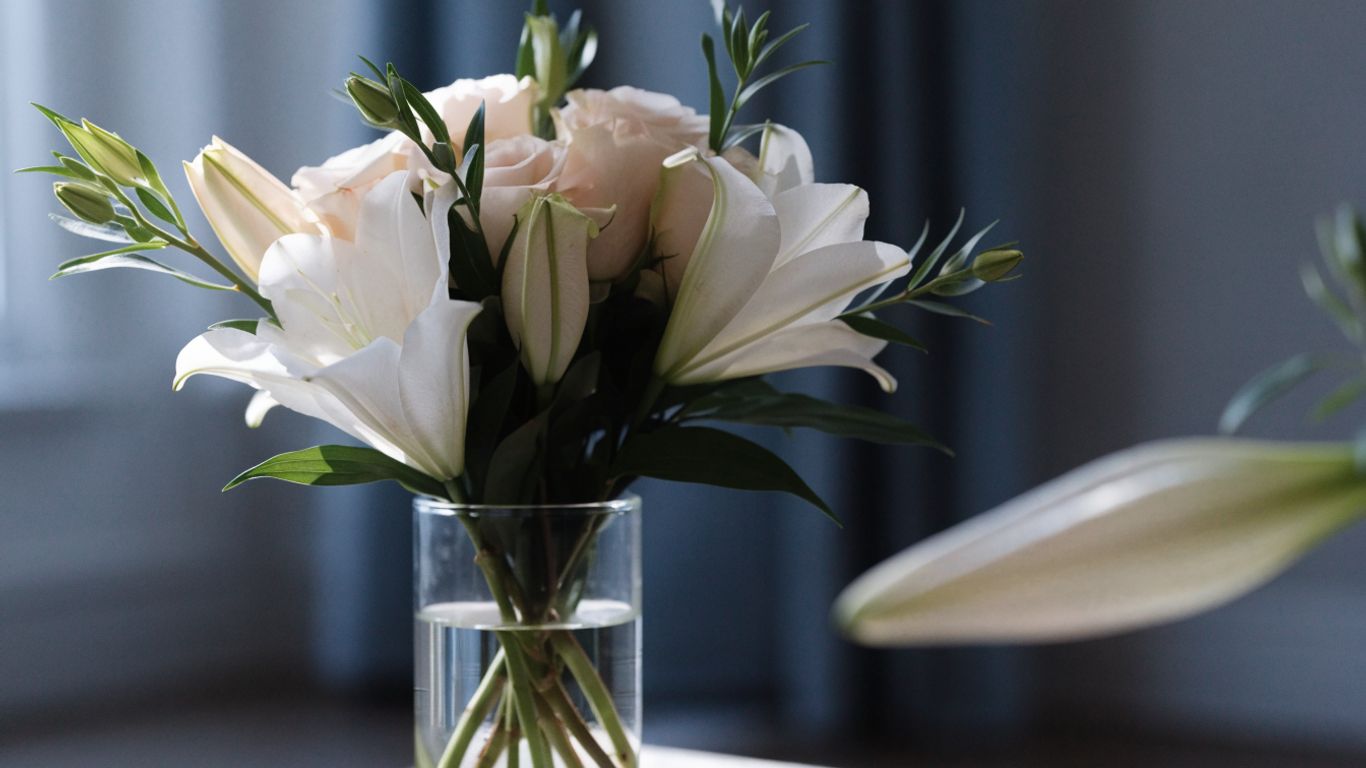
Lilies are often chosen for their serene appearance, while roses can express affection and remembrance. Carnations and chrysanthemums are also familiar choices in some sympathy arrangements. These associations are possibilities, not fixed definitions; the recipient may have a very different personal connection to a bloom. This small guide can help you think through common choices without turning the decision into a test.
| Flower | Common association | A thoughtful consideration |
|---|---|---|
| Lily | Peace or remembrance | Check whether its scent suits the setting |
| Rose | Love or affection | Choose a color that feels personal |
| Carnation | Remembrance | Consider a simple, familiar design |
| Chrysanthemum | Tribute or remembrance | Customs differ by culture and family |
If you are uncertain, choose a flower you know the recipient appreciates and pair it with a sincere note. A meaning can enrich the gesture, but it does not need to carry the whole message.
Use color symbolism as a thoughtful guide
White is often associated with peace, while pink can feel warm and gentle; red may express deep affection. These are common associations rather than universal instructions. A favorite color or a palette that reminds you of the person may feel more direct and heartfelt. Let color help you narrow the options, then trust your own understanding of the relationship.
Prioritize personal significance over tradition
Tradition can offer reassurance when you have little information, but personal details often make a gesture feel more considered. Perhaps the person loved a particular flower, kept a garden, or always brought home a certain color. Those memories may guide you more naturally than a list of symbolic meanings. If no such detail comes to mind, a modest, calm arrangement remains a respectful choice.
Match the gesture to the relationship and situation
The right gesture depends partly on how close you are to the person grieving and partly on what is happening around them. A close family member may welcome a personal arrangement, while a colleague may appreciate something understated and easy to receive. It is also worth considering whether flowers are welcome at the service or at home. A little care with context helps the gift feel supportive rather than demanding.
Choose an arrangement for a close family member
For someone close to you, a favorite flower, familiar color, or small personal detail can make an arrangement feel less formal. You might send flowers to their home after the service, when visitors have gone and the quiet begins. If you are unsure what they would want, ask another family member discreetly or choose a simple design. Familiarity and kindness matter more than size.
Send an appropriate tribute to a friend or colleague
For a friend, a modest bouquet paired with a personal note can convey warmth without placing expectations on them. For a colleague or professional contact, a shared arrangement from a team may be more suitable than a highly personal display. When choosing a tribute for a service, consider the family’s wishes and the venue’s guidance. A general guide to sending sympathy flowers can provide additional ideas about suitable flowers and timing.
Consider cultural, religious, and personal preferences
Flower customs differ among cultures, religions, and families, so avoid assuming that a familiar practice will suit everyone. If you are uncertain, ask someone close to the family or choose a simple gesture that does not rely on a specific tradition. These are useful points to check before deciding:
- Whether flowers are welcomed at the service or memorial.
- Whether the family has requested donations or another form of tribute.
- Whether a particular color or flower has cultural significance.
- Whether the recipient has allergies or prefers not to receive flowers.
A quiet question can prevent an awkward choice and show that you are thinking about the family’s wishes. The right response may be flowers, a card, or another kind of support.
Plan a respectful arrangement
An arrangement should suit both the recipient and the place where it will be received. Large displays can be appropriate for some services, while a compact vase may be easier to manage at home. Consider practical details such as available space, flower freshness, and strong fragrance. Thoughtful planning keeps the focus on the gesture rather than the work it creates for someone grieving.
Pick a suitable size and style for the setting
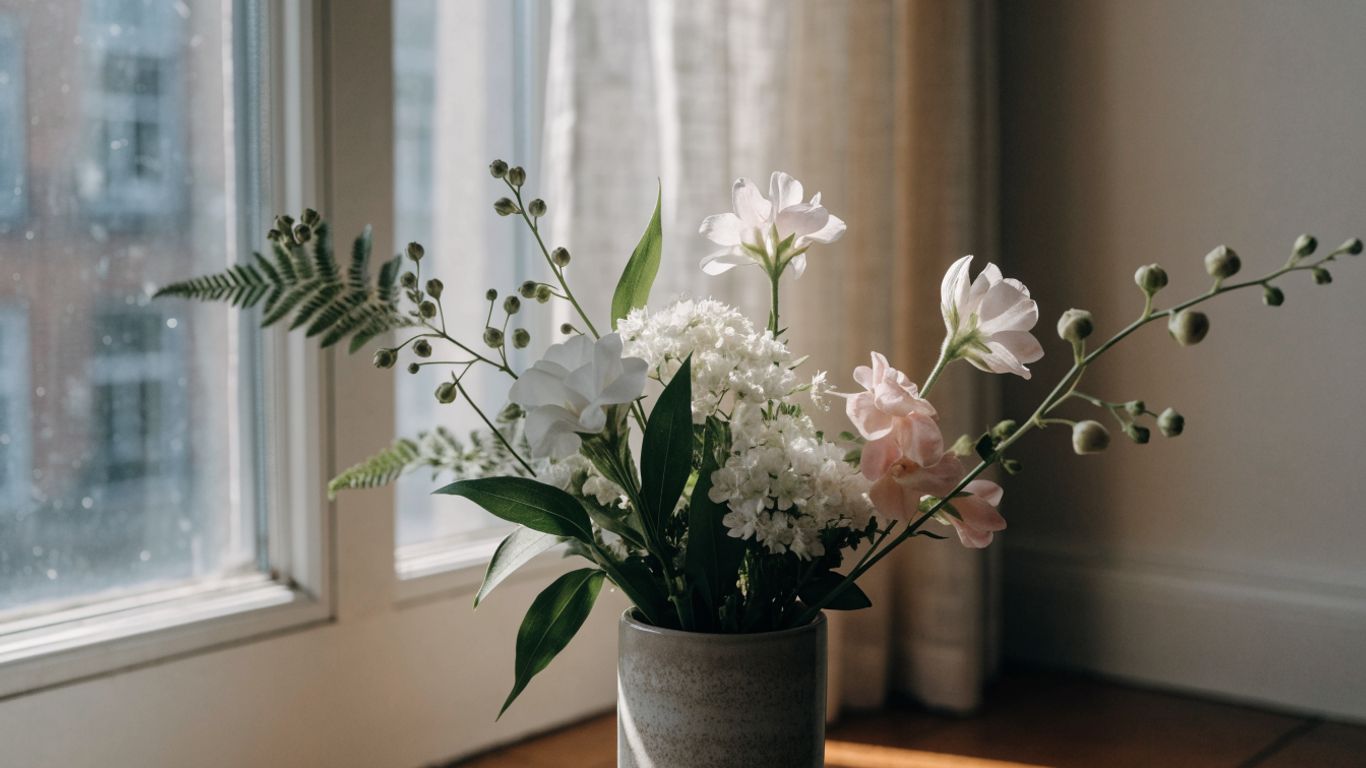
Before choosing a size, consider whether the flowers are going to a home, a funeral service, or a memorial. A broad display may suit a venue, but it can be difficult to place in a small home or apartment. A vase arrangement is convenient when the recipient may not have time to find a container. If you want to see a general overview of sympathy flower choices, consider how its suggestions fit the actual setting you have in mind.
Choose flowers that are fresh and seasonally available
Seasonal flowers are often easier to source and may give you more options for a natural-looking arrangement. If one variety is unavailable, a florist may suggest a comparable bloom; you can ask that the overall tone and style remain gentle. Freshness matters more than selecting a specific flower at any cost. A flexible choice can still feel thoughtful and personal.
Check for fragrance or allergy concerns
Strong scents can be difficult in enclosed spaces or for someone sensitive to fragrance. If you know the recipient has allergies, consider low-scent flowers or ask a florist about suitable alternatives. A smaller arrangement may also be easier to keep at a comfortable distance. These practical considerations are quiet forms of care, especially when the recipient may not have the energy to raise them themselves.
Arrange delivery with sensitivity
Delivery details can affect how the gesture is received, so take a moment to confirm them before placing an order. Service schedules and venue policies may change, and a delivery that arrives at the wrong time can create extra work. If the flowers are intended for a home, make sure someone can receive them. Clear communication helps the gesture reach the right person with as little disruption as possible.
Confirm the service or memorial details
Check the service date, venue, and any instructions the family has shared before arranging a delivery. Some venues have specific delivery windows or limits on the kinds of floral tributes they can accept. If details are unclear, a family contact or funeral home may be able to confirm them. It is better to ask than to leave the family sorting out a preventable mix-up.
Time delivery for the home, funeral, or memorial
For a service, arrange delivery with enough time for the flowers to be received and placed, while following the venue’s guidance. For a home, consider whether the recipient is likely to be there and whether an unexpected delivery might feel burdensome. When in doubt, ask a trusted person close to the family about a convenient time. A thoughtful delivery is one that fits the family’s day, not just the sender’s schedule.
Include clear recipient and delivery information
Use the recipient’s full name and provide accurate delivery details, including any service or venue information the florist needs. Check the spelling and include a contact number if requested. If you are sending flowers to a service, make the intended recipient clear so the arrangement can be directed appropriately. Accurate information is a small detail, but it can make a difficult day easier.
Write a thoughtful sympathy card
A card gives your gesture a personal voice, even if the message is brief. You do not need to explain grief or find a perfect phrase; honest words are enough. Mentioning a memory or offering a specific kind of support can make the message feel more personal. Keep the recipient’s needs in mind and leave room for them to respond in their own time.
Keep the message sincere and personal
A simple expression of sorrow can be enough, especially when paired with a genuine memory or a detail about what you valued in the person who died. If you knew them, say something specific rather than reaching for a grand statement. If you did not, focus on your care for the person who is grieving. A few honest lines are often easier to receive than a long message.
Offer support without expecting a reply
It can help to offer something concrete, such as dropping off a meal or handling a small errand, instead of saying only that the recipient can call if they need anything. Be sure the offer is one you can follow through on, and do not ask for a response. Helping with practical tasks can also mean supporting someone with matters unrelated to grief, such as closet design consultations, hair restoration options, spring plumbing checks, a school cleaning checklist, or information on reading and listening. These are everyday planning topics, not substitutes for personal support; offer only the kind of help that is actually relevant to your relationship.
Use simple wording when you are unsure what to say
If the right words are not coming, keep your message plain and kind. You might write, “I’m so sorry for your loss. I’m thinking of you and your family.” You can add a short memory or a practical offer if it feels genuine. Avoid trying to explain the loss or suggest that the person should feel better with time.
Conclusion
Choosing and sending sympathy flowers with care is less about following a strict set of rules than about paying attention to the person, their preferences, and the moment they are facing. A suitable arrangement, considerate delivery, and sincere note can make a gentle gesture feel personal. When uncertain, keep it simple, respect the family’s wishes, and offer support you can truly provide.
Frequently Asked Questions
What flowers are appropriate to send for sympathy?
Lilies, roses, carnations, and chrysanthemums are common choices, but no flower is required. Choose blooms that suit the recipient, the setting, and any known preferences.
Is it better to send flowers to the home or the service?
Either can be appropriate. Follow the family’s wishes and the venue’s delivery guidance, and consider where the flowers will be easiest for the recipient to manage.
Are white flowers required for sympathy arrangements?
No. White is a familiar choice, but soft colors or the recipient’s favorite flowers may feel just as thoughtful. Customs and personal preferences vary.
Is a plant a suitable sympathy gift?
A plant can be a meaningful option for someone who enjoys caring for greenery. Consider whether ongoing care would feel welcome rather than like an added responsibility.
How large should a sympathy arrangement be?
The size should fit the setting and your relationship with the recipient. A modest arrangement is often easier to place at home, while a service may accommodate larger tributes.
What should I write in a sympathy card?
Keep the message sincere and simple. Express your condolences, share a brief memory if appropriate, or offer one specific kind of help without expecting a reply.
When should sympathy flowers be delivered?
For a service, confirm the venue’s delivery window and schedule. For a home, choose a time when someone can receive them or ask a trusted contact what would be convenient.