Key Takeaways
A thoughtful tribute does not have to be elaborate; it should feel right for Mum and suit the way the family plans to remember her. A few practical checks can make the choices easier.
- Start with the type of service and any venue or cemetery requirements.
- Use Mum’s favourite flowers, colours, and personal style as a guide.
- Share meaningful details with the florist, while keeping the design practical.
- Confirm delivery timing, setup, costs, and substitutions before ordering.
- Choose a concise message and decide what should happen to the flowers afterward.
Consider the type of service and tribute
The right arrangement depends partly on where and how the service will take place. A flower display for a funeral may need to fit beside a coffin, while a memorial gathering or graveside visit can call for something smaller and easier to carry. Before choosing flowers, consider the setting, the people attending, and what the family wants the tribute to do.
Match the arrangement to a funeral, memorial, or graveside service
For a funeral, families often consider whether the arrangement will be displayed near the coffin or elsewhere in the venue. At a memorial, a table arrangement or hand-tied flowers may suit a more informal gathering. A graveside tribute should be easy to carry and appropriate for the space available. Think about the service first, then choose a design that feels natural within it.
Choose between a coffin spray, wreath, posy, or sheaf
Different forms have different shapes and uses, so it can help to compare them before placing an order. The florist can advise on proportions and flower availability, but this quick overview gives you a starting point:
| Arrangement | Often considered for | Practical point |
|---|---|---|
| Coffin spray | A tribute displayed on the coffin | Confirm its size and who will arrange placement |
| Wreath | A service display or condolence tribute | Ask where it can be positioned at the venue |
| Posy | A smaller, hand-held or table tribute | Consider whether it needs a vase or water source |
| Sheaf | A simple, hand-tied tribute | Check how it will be laid down or displayed |
These are starting points, not strict rules. A florist can help adapt the shape and size to the service, and the family can choose what feels most like Mum.
Check venue and cemetery guidelines before ordering
A venue or cemetery may have practical rules about where flowers can go, what can be left behind, and when deliveries can arrive. Ask the funeral director or venue contact before confirming a design, especially if the tribute is intended for a graveside. A little checking in advance can prevent a beautiful arrangement from arriving too late or being unsuitable for the space.
Coordinate the tribute with other family flowers
If relatives are arranging several tributes, a shared colour palette can help them sit comfortably together without making each arrangement identical. It may also be useful to agree on approximate sizes, so one display does not overwhelm the others. Let the florist know whether other flowers are expected and where Mum’s tribute will be placed. That context helps everyone picture the arrangement as part of the service.
Select flowers that reflect Mum’s personality
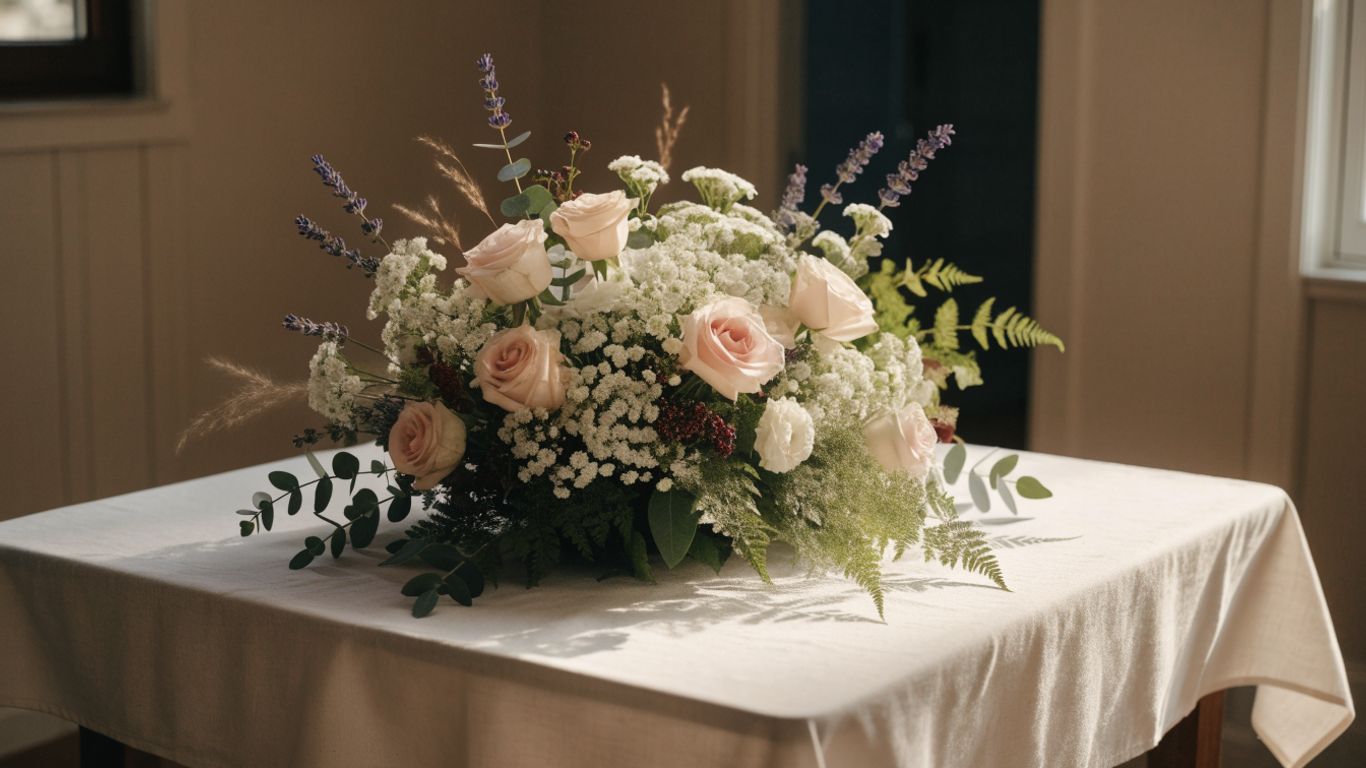
The flowers can recall the way Mum lived, rather than simply follow a set formula for a funeral. A favourite bloom, a familiar shade, or a garden-inspired mix may feel more personal than a conventional arrangement. If you are searching for a floral tribute for mum Altona, begin with the details that make the choice feel like hers, then consider season and service setting.
Use her favourite flowers or colours as a starting point
If Mum loved a particular flower, colour, or garden, that can be a simple way into the decision. You do not need to build the whole arrangement around one bloom; a florist may be able to include it as an accent or use its colour as a cue. If you are unsure what is available, mention the idea rather than requesting an exact flower. That leaves room for a thoughtful design if the specific bloom is out of season.
Consider the meaning and seasonality of different blooms
Some people enjoy choosing flowers for their traditional associations, while others care more about how the blooms look and feel together. Either approach can work. Seasonality matters too: a requested flower may be harder to source at a particular time, and an available alternative may preserve the colour or overall mood. If you want ideas for a celebratory floral palette, Mother’s Day flower inspiration can offer a separate starting point for thinking about flowers that suit her tastes.
Choose a style that feels true to her, from classic to informal
A neat, classic arrangement may suit someone who loved tradition, while a loose mix of garden-style flowers might feel closer to a more relaxed personality. Consider how she dressed her home or what she enjoyed growing, if those memories come easily. There is no need to make the tribute unusually formal just because it is for a service. A style that feels recognisable to the family can be meaningful in its own quiet way.
Balance personal symbolism with the tone of the service
A tribute can be personal while still fitting the mood of the gathering. One distinctive flower or a favourite colour may be enough; the rest of the arrangement can remain calm and cohesive. Think about the room, the other flowers, and what will be visible from where people are seated. A useful balance is to let one detail carry the personal meaning while the overall design remains suited to the occasion.
Personalize the arrangement with meaningful details
Small choices can make a floral tribute feel specific to Mum without turning it into a collection of symbols. You might draw on a family tradition, a place she loved, or a keepsake that can safely sit with the flowers. Before ordering, describe the idea in plain language and ask what is practical for the design. The most successful details tend to be easy to understand and suited to the arrangement.
Add a ribbon with a short, heartfelt message
A ribbon can carry a brief message when a card does not feel quite right, or when you want a few words close to the flowers. Keep it short enough to read easily and consider whether it should use Mum’s name, a family sign-off, or a few words of farewell. Ask the florist what ribbon options and lettering are available before settling on wording. A simple phrase is often more personal than trying to fit a long message into a small space.
Include flowers connected to a family memory or tradition
Perhaps Mum always grew roses, brought home seasonal flowers, or chose a particular colour for family celebrations. Mention that memory when you speak with the florist; it can shape the arrangement even if the exact flower cannot be sourced. A tradition does not have to be grand to matter. Sometimes a familiar bloom is enough to bring a story to mind for the people attending.
Ask about incorporating a keepsake or special accent
If you are considering a small keepsake, ask whether it can be placed safely and securely with the flowers. Some accents may be too heavy, delicate, or difficult to attach, particularly if the arrangement will be carried or moved. Explain what the item means to the family and where you hope it will appear. The florist can then tell you whether it is suitable or suggest another way to include the idea.
Make sure custom details are practical for the arrangement
Personal touches should not make the flowers hard to transport, display, or handle after the service. Share where the arrangement will be placed and whether it may be moved later. It is also worth checking whether the accent can be removed and kept by the family. Thinking through these small logistics early can help preserve the meaning of a detail without complicating the tribute.
Find a florist serving Altona
A florist who understands funeral flowers can help turn a family’s ideas into a design that suits the service and its timing. When contacting someone serving Altona, explain the occasion, location, preferred arrangement, and any personal details you have in mind. Ask clear questions about delivery and setup rather than assuming those arrangements are included. If you are also looking for remembrance opportunities, memorial park remembrance events may provide information about a separate way to honour Mum.
Look for experience with funeral and sympathy flowers
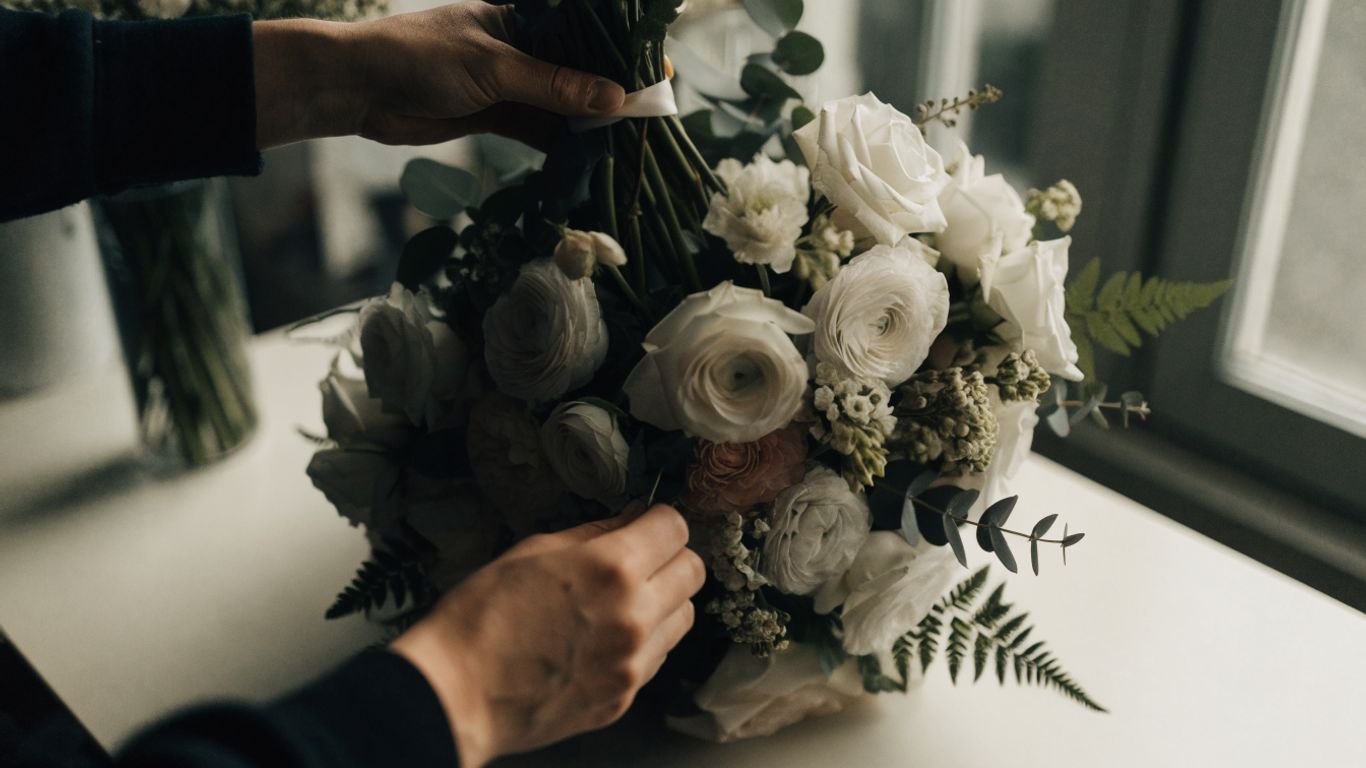
Ask whether the florist regularly prepares flowers for funerals or memorial services and what information they need to create an appropriate design. Experience with this kind of order can be useful because the arrangement may need to fit a particular venue, time, or display position. It is reasonable to discuss both your preferred style and any limits, such as a modest size or particular colours. A good conversation should leave you with a clear sense of what can be arranged.
Ask how the florist handles local venue and delivery requirements
Before you order, ask how delivery timing is confirmed and whether the florist needs a contact at the venue. Share the service address, start time, and any instructions from the funeral director. If the venue has restrictions, mention them early rather than waiting until the design is complete. Clear details make it easier to coordinate delivery without adding stress on the day.
Review photos of previous tributes to assess style and quality
Photos can help you understand a florist’s usual approach to colour, shape, and scale. Look for examples that resemble the kind of arrangement you have in mind, rather than relying on one image to promise an identical result. Flowers can vary with availability and season, so ask what aspects of a design can be matched. A useful reference is one that helps you describe the feeling you want, not just copy a picture exactly.
Confirm who will receive the order and coordinate with the funeral director
Find out whether the flowers will be delivered directly to the venue, funeral director, or another agreed contact. Confirm who will accept them and whether someone will place the arrangement where it belongs. If the funeral director is managing several family tributes, share the florist’s details and order information with them. That simple handoff can help avoid confusion about which flowers are for Mum and where they should go.
Plan the order, delivery, and budget
A little planning gives the florist more room to work with your preferences and helps the family know what to expect. Confirm the date, venue, display plan, and budget before you choose the final design. Keep a written note of the order details, especially if several relatives are involved. Online results can also bring up unrelated material, such as FMFT wellness resources, a female hormone testing panel, shopping savings advice, tokenized asset AML comparisons, or California SIJS court guidance; those topics are separate from flowers and funeral arrangements.
Order early to allow time for custom designs
If you have a particular flower, colour combination, or keepsake in mind, contact the florist as early as you can. That gives you time to discuss alternatives if a requested bloom is unavailable and to check that any custom detail is workable. For a standard design, ask how much notice the florist needs for the service date. Early communication can make the choice feel less rushed, even when the family has not decided every detail yet.
Confirm the delivery address, service time, and setup arrangements
It helps to share the full address, service start time, and the name of the person who will receive the order. Check whether the flowers should arrive well before guests or at another specific time. To keep the details straight, write down the key information before placing the order:
- The venue’s full name and delivery address.
- The service date and start time.
- The contact person who can receive the flowers.
- Any instructions for placement or collection afterward.
Read the details back to the florist so any missing information can be caught early. If the service schedule changes, let the florist and funeral director know as soon as possible.
Compare prices by arrangement size, flower choice, and delivery
A quoted price may depend on the scale of the design, the blooms selected, and delivery or setup arrangements. Ask what is included so you are comparing similar options, rather than looking only at the starting price. If the family has a firm budget, say so plainly and ask what can be adjusted without losing the intended feeling. A smaller design with one meaningful detail may be a better fit than a larger arrangement chosen only for its size.
Ask what happens if a requested flower is unavailable
A particular flower may not be available in the colour or quantity you hoped for. Before confirming the order, ask whether the florist will contact you about substitutions and how they choose alternatives. You might ask them to preserve the colour, shape, or overall mood if the exact bloom cannot be sourced. Agreeing on a preference in advance can prevent last-minute uncertainty.
Choose an appropriate message and presentation
The card or ribbon message is one small part of the tribute, but it often carries the words the family most wants to say. Decide who the message is from and whether it should be shared across the family or kept personal. Consider how the flowers will look beside other service arrangements and what should happen to them afterward. A simple plan can make the tribute feel complete without adding pressure to find perfect words.
Keep card wording warm, personal, and concise
A short message can be more comforting than a long one, especially when the card will be read in a busy moment. You could use a familiar phrase, a simple farewell, or a few words that reflect what Mum meant to you. If you are finding it difficult to write, start with what you would want her to know. The wording does not need to sound formal to be heartfelt.
Decide whether the tribute should be from one person or the whole family
Think about whether the flowers are a personal gesture or a shared family tribute. If the message is from several people, check that everyone is comfortable with the wording and sign-off. A family may choose to name each person, use a collective phrase, or keep the card simple. Settling this beforehand avoids an awkward rush while the order is being placed.
Consider how the arrangement will look beside other service flowers
If other tributes will be displayed nearby, consider how your arrangement’s colour and size will sit among them. It can complement the wider display without matching every detail. Tell the florist whether the flowers will be placed beside a coffin, on a table, or in another part of the venue. That information can help determine a suitable scale and shape.
Check whether the flowers can be taken home or placed at the graveside afterward
Some families like to take flowers home after the service; others may want to bring them to a graveside or leave them at the venue. Ask the funeral director what is permitted and whether anyone will need to collect or move the arrangement. If the flowers are going to a second location, consider whether the design will be easy to carry. Knowing the plan ahead of time gives the tribute a clear next step.
Conclusion
Choosing a floral tribute for Mum is a personal decision shaped by her tastes, the service, and the wishes of those remembering her. Start with what feels true to her, then confirm the practical details with the florist and venue. A few considered choices—a familiar bloom, a thoughtful message, or a colour she loved—can make the arrangement feel quietly and unmistakably hers.
Frequently Asked Questions
What flowers are suitable for a tribute to Mum?
There is no single required choice. Favourite flowers, colours, or blooms connected to a family memory can all be meaningful, as long as they suit the service and are available.
What is the difference between a coffin spray and a wreath?
A coffin spray is designed to be displayed on a coffin, while a wreath is a shaped arrangement that may be displayed elsewhere at the service. Ask the florist or funeral director which forms suit the venue and plans.
How far in advance should I order funeral flowers?
Order as early as you can, especially if you want a particular flower, colour, or custom detail. The florist can tell you how much notice they need for the date and design.
What should I include in a message with the flowers?
A short, warm message is usually enough. You might include a farewell, a familiar phrase, or a few words about what Mum meant to you, along with a clear sign-off.
Can I request a specific flower or colour?
Yes. Tell the florist what you have in mind and ask whether it can be sourced for the service date. If not, you can discuss alternatives that keep a similar colour or overall feel.
Should the tribute be coordinated with other family flowers?
It can be helpful to share a colour palette or approximate size, particularly if several arrangements will be displayed together. The tributes do not need to match exactly to sit well beside one another.
Can funeral flowers be taken home after the service?
That depends on the venue, cemetery, and family’s plans. Check with the funeral director or venue contact before the service, especially if the flowers may be moved to a graveside afterward.