
Key Takeaways
Coordinating seasonal floral arrangements for church services requires careful planning and clear communication with local professionals to ensure every detail enhances the sanctuary experience.
- Align flower choices with liturgical calendars for meaningful presentations.
- Confirm altar placement dimensions to avoid obstructing the liturgical focus.
- Establish consistent delivery schedules that respect the church’s weekend activity flow.
- Partner with florists familiar with the specific logistics of religious venues.
- Monitor bloom hydration to maintain display freshness throughout multiple services.
Selecting the right floral arrangements for church services
Selecting florals for a sacred space involves balancing aesthetic beauty with the specific requirements of the church environment. Designers often focus on complementing existing architecture rather than competing with it, ensuring the arrangements support the tone of the service.
Matching flowers to liturgical colors
The choice of color often follows the church’s liturgical calendar, reflecting the themes of specific seasons like Advent, Lent, or Easter. Aligning your floral palette with these traditions creates a cohesive atmosphere that congregants find both familiar and comforting.
Appropriate sizing for altar placements
Choosing the right size for arrangements is a critical step in preserving the sanctity of the altar. An arrangement that is excessively large or obstructive can disrupt the visual line between the clergy and the congregation, making balance essential during the selection process.
Considering scent sensitivities in small chapels
In smaller, enclosed worship spaces, the fragrance of certain flowers can become quite powerful over time. Opting for low-scent blooms ensures that guests with allergies or sensitivities remain comfortable, allowing the focus to stay on the service rather than the decor.
Coordination and timing for Williamstown ceremonies
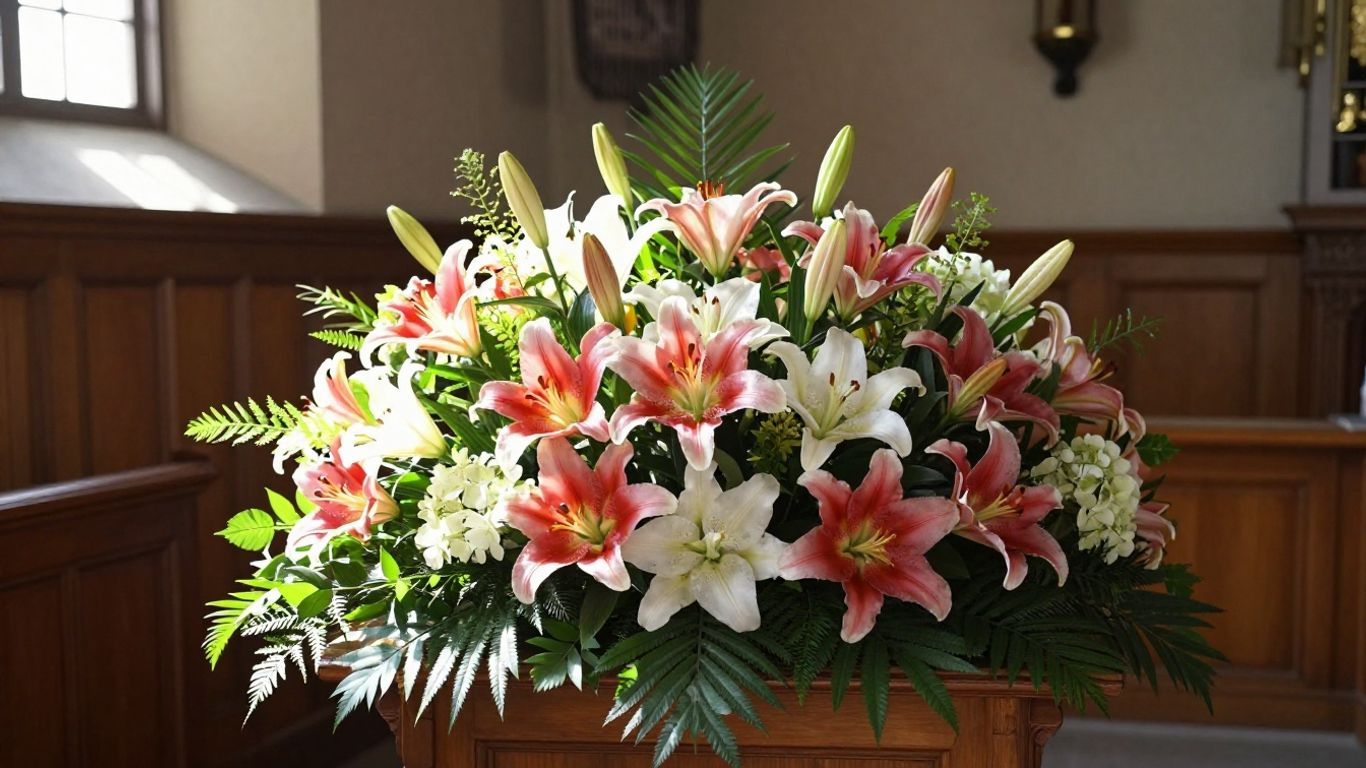
Effective scheduling is the backbone of seamless church floral delivery, ensuring that everything is perfectly prepared before the doors open to the public. Coordination requires upfront communication that acknowledges the unique rhythm of the local church calendar.
Working with church sexton or event staff
The sexton or building manager is an invaluable partner for understanding internal rules regarding placement or hardware. Establishing a conversation early on helps prevent access issues during the busiest times of the week.
Selecting optimal delivery windows for weekend services
Establishing a window that avoids mid-service distractions is vital for a peaceful environment. Most professionals prefer early Friday or Saturday morning deliveries to ensure enough time for final adjustments before the primary Sunday morning events commence.
Coordinating setup instructions with local florists
Clear written directions regarding where to place the flowers and any specific stabilization needs protect the sanctuary and the arrangements. You might find that LOBA & Bona provides specialized care solutions that help keep environmental surfaces safe and clean during the setup process.
Working with local Williamstown florists
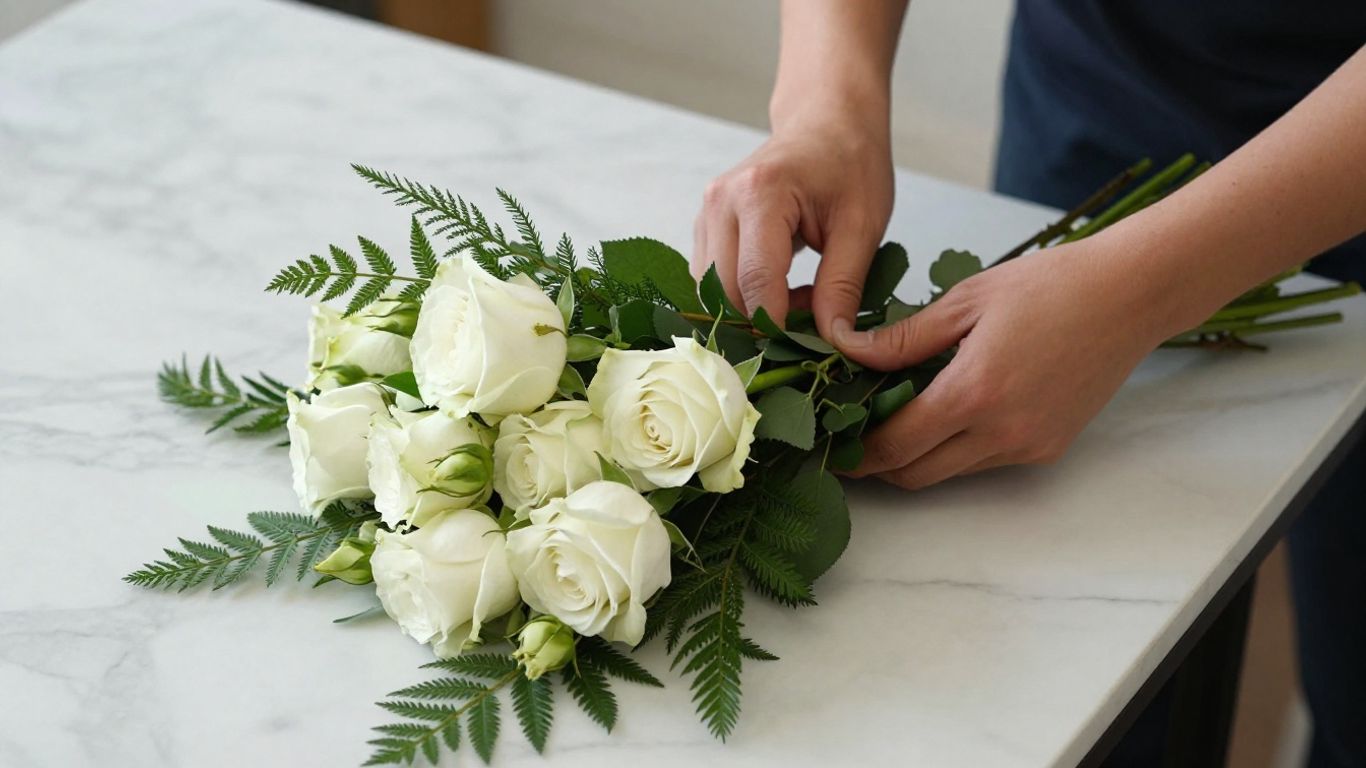
Selecting the right floral partner in Williamstown is a foundational decision that influences your long-term success with sanctuary decor. Working with established local pros often results in more reliable outcomes for recurring service requests.
Identifying florists with church experience
Understanding the unique, often rigid, expectations of church decor is a specific skill that not all florists possess. You should prioritize suppliers who demonstrate an awareness of traditional altar aesthetics and community decor standards.
Requesting portfolio samples of altar displays
Reviewing past work allows you to evaluate if a florist’s style matches the vision you have for your church sanctuary. Use the table below to compare how different design elements might fit your specific needs for various holiday services or special events.
| Feature | Description | Importance |
|---|---|---|
| Vase Stability | Weighted base for tall displays | High |
| Bloom Variety | Seasonal diversity and color range | Medium |
| Delivery Time | Reliability for early morning set | High |
| Customization | Ability to follow strict liturgical color | High |
Selecting a partner based on these technical criteria ensures that your sanctuary consistently looks polished.
Negotiating volume discounts for weekly sanctuary flowers
When arrangements are a weekly necessity, most vendors are open to discussing contract pricing. Consider the following items to manage your ongoing floral needs efficiently:
- Establishing a recurring order schedule with a fixed monthly rate.
- Coordinating delivery times during low-traffic periods to reduce overhead.
- Requesting seasonal filler usage to keep long-term costs within a manageable range.
- Bundling multiple altar arrangements to receive a single, discounted delivery fee.
Proactive discussions help secure better value throughout the entire liturgical year.
Budgeting for seasonal flower displays
Managing a budget for recurring floral needs requires a blend of creativity and financial discipline. Focus on high-impact areas rather than trying to decorate every corner of the church hall.
Prioritizing focal points over perimeter decor
By focusing the budget on the altar and primary entryways, you maximize the visual impact inside the room. This approach prevents thinning out the arrangements, keeping each display looking professional and robust enough for the space.
Utilizing seasonal blooms to lower costs
Seasonal flowers are almost always more cost-effective and structurally sound than out-of-season alternatives. Relying on what is currently blooming locally allows you to support regional farmers while enjoying fresher, heartier stems that look great for longer.
Understanding delivery fees versus product markup
Breaking down the invoice into individual costs helps identify where expenses can be optimized. Some shops might include delivery in the product price, while others list it separately; clarifying this upfront keeps your food waste management habits of efficiency aligned with your floral spending goals.
Managing logistics and maintenance
Once the flowers are delivered, the focus shifts to ensuring they remain in peak condition throughout the service. Proper care techniques extend the beauty of your arrangements and reduce the frequency of full replacements.
Ensuring proper hydration for long-lasting displays
Checking water levels in the vases before every service ensures the blooms stay vibrant even in warm spaces. If you encounter issues with aging materials, think about the lessons found within the Total Guitar Transformation Academy for how structured, disciplined routines ultimately lead to better performance and more reliable results.
Handling post-service cleanup and floral repurposing
Planning for the removal of displays is just as important as the setup phase. Many churches now donate used arrangements to local nursing homes or hospitals, providing an excellent way to extend the reach of your floral investment.
Preparing for specialized delivery protocols in the Williamstown area
Every building has its quirks, from loading docks to carpet protective policies, that need to be communicated to the delivery team. Ensure your partners send beautiful flowers with the exact instructions for arrival to avoid any unnecessary friction during peak times.
Conclusion
Planning your church floral program with intention leads to a beautiful, stress-free experience for everyone involved in your weekly services. By proactively managing your relationship with vendors and staying mindful of seasonal availability, you can maintain a tradition that brings peace and beauty to your entire worship community for years.
Frequently Asked Questions
How far in advance should I order sanctuary flowers?
It is generally recommended to place your floral order at least two to three weeks in advance to ensure the florist can source the specific colors and types of blooms you require for your service.
Can I use silk flowers instead of fresh ones?
While silk flowers are a common alternative if you need items that last for several weeks, many churches prefer the natural life and symbolic importance of fresh flowers, so check with your pastoral staff before making the switch.
Who is typically responsible for setting up the altar arrangement?
In many churches, the altar guild is responsible for placement, but you should clarify if the delivery driver is expected to assist with the final positioning or if they should simply leave the arrangement at the designated entrance.
How should I handle flower leftovers after a service?
Many organizations find success by dismantling the large altar pieces into smaller bouquets that can be taken to homebound congregants or nursing homes, which turns a temporary display into a lasting communal gift.
What are the best flowers for a long display life?
Hardy varieties such as carnations, chrysanthemums, and lilies are often the best choices for sanctuaries because they are resilient and can typically withstand the temperature fluctuations often found in larger church buildings.
Are there specific rules about flower placement in a church?
Every denomination and individual parish has its own unique traditions regarding where flowers are placed in relation to the communion table, so always consult with your church office to ensure compliance with local guidelines.
Can I source my own flowers for the church?
While you can certainly buy your own floral supplies, working with a professional who knows the nuances of religious spaces can prevent issues with heavy vases, water spills, and allergic reactions that might negatively impact the congregation.