Key Takeaways
A considerate tribute begins with listening, then matching the flowers and delivery plan to the family’s wishes and the service.
- Ask about the family’s preferences and any cultural or religious customs before choosing an arrangement.
- Compare the size and purpose of wreaths, sprays, casket flowers, and bouquets.
- Personal details and a few sincere words can make a tribute feel especially meaningful.
- Confirm the service location, date, delivery time, and contact person before placing an order.
- Check what the quote includes and how changes or cancellations are handled.
What to look for in a compassionate funeral florist in Altona
Choosing a compassionate funeral florist Altona families can feel comfortable speaking with is less about finding a perfect phrase and more about feeling heard. A good conversation should leave room for practical questions as well as emotion, without pressure to make decisions before you are ready. Since service details can change, clear communication matters from the first call through delivery. You can also review local funeral-flower delivery details as you consider the timing and location of a tribute.
Signs of sensitive, respectful service
A thoughtful florist listens first, explains choices plainly, and gives you time to consider them. They should be able to discuss the arrangement’s size, style, and intended placement without assuming that a larger display is automatically better. Notice whether they ask who the flowers are for and whether the family has shared preferences. That kind of attention helps keep the exchange personal without making it feel intrusive.
Questions to ask about experience and support
It is reasonable to ask what information the florist needs, how they confirm an order, and whom to contact if service details change. If you have a particular design in mind, ask whether they can discuss its general shape, scale, and color before you decide. You might also ask what happens if a requested flower is unavailable. Clear answers make it easier to understand the process and choose with confidence.
How local knowledge can help with arrangements and delivery
Local familiarity can be useful when you are trying to confirm a venue’s address, entrance, or delivery instructions. Still, do not assume the florist knows which room or service time applies; give the details directly and ask them to repeat the plan back to you. A funeral director or family contact may also have guidance about where floral tributes should be placed. Confirming these specifics helps prevent avoidable confusion on the day.
Checking reviews, portfolios, and recommendations
Reviews can help you understand how a florist communicates, while a portfolio gives you a sense of the styles they have made. Look for examples that are close to the scale and feeling you want, rather than judging only by a photograph’s color or setting. Recommendations from someone you trust can also be useful, especially if they can describe the ordering process. Taken together, these sources offer context, but a direct conversation is still the best way to check whether the florist understands your wishes.
Choosing flowers that suit the service
Funeral flowers can be chosen for a viewing, a ceremony, a graveside gathering, or delivery to a family home. The right form depends partly on where the flowers will be placed and who will receive them. If you are unsure what to send, begin with the service plan and ask the family or funeral director whether there are any preferences. A simple, considered choice can be more fitting than an arrangement selected only for its size.
Comparing wreaths, sprays, casket flowers, and bouquets
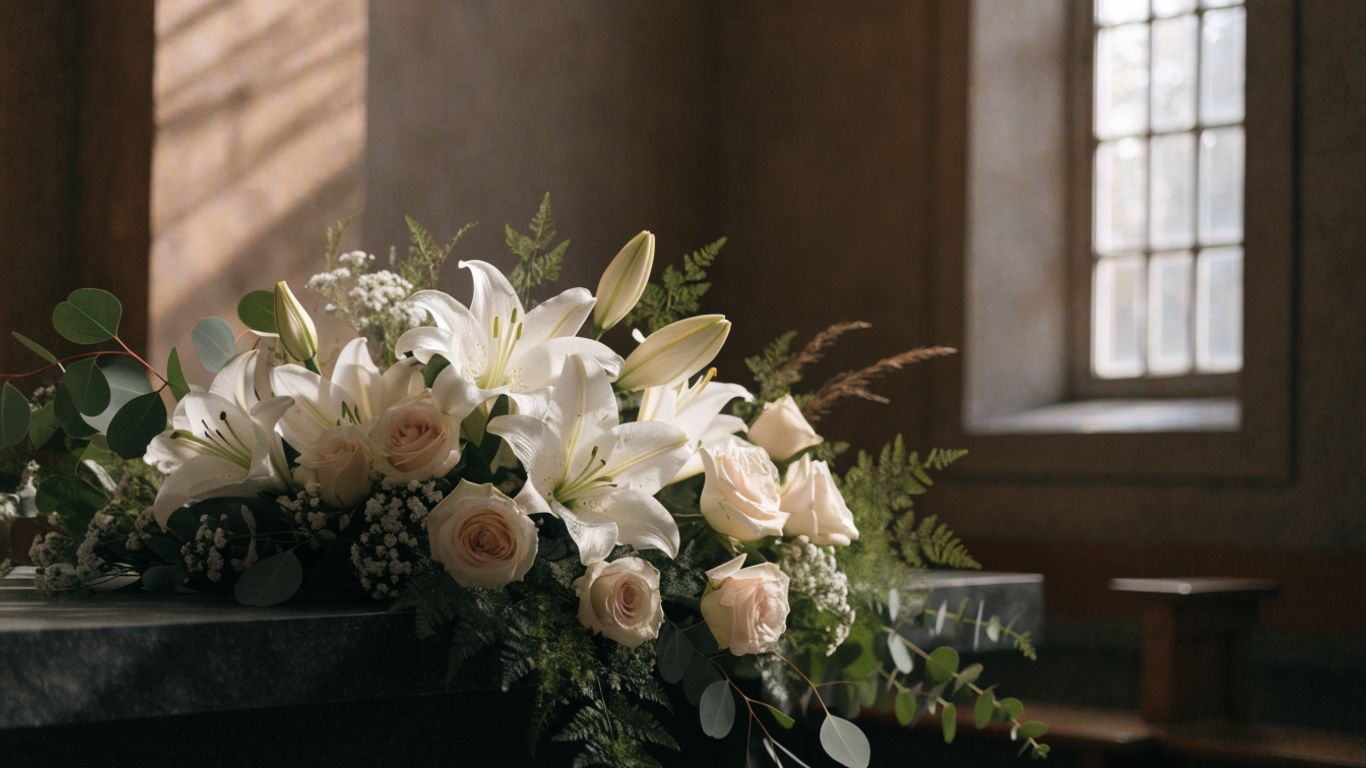
Different forms suit different settings, so it helps to compare their purpose before settling on a design. A wreath has a recognizable circular shape, while a spray is often made to be viewed from one side. Casket flowers are arranged for placement on or near the casket, and a bouquet may be easier to send to a home or smaller gathering. These distinctions are a starting point; confirm placement with the family or service organizer.
| Arrangement | Common consideration | Useful question |
|---|---|---|
| Wreath | Its shape and display location | Where will it be placed? |
| Spray | Its viewing angle and scale | Is a standing display suitable? |
| Casket flowers | Family approval and placement | Has the family requested this tribute? |
| Bouquet | Where it will be received | Would the family prefer flowers at home? |
Thinking about the setting alongside the form narrows the options without turning the choice into a strict rule. If the family has not specified a preference, ask before ordering a tribute intended for a particular place, such as the casket. A smaller bouquet may be a comfortable alternative when a standing arrangement would not suit the gathering.
Matching arrangements to the venue and ceremony
The venue affects both scale and placement. A large display may suit a spacious service area, while a compact arrangement can be more appropriate in a smaller room or at a family home. Ask whether the venue has any limits on placement or delivery, and whether the flowers will remain there after the service. Those practical details help you choose something that feels at home in the setting rather than competing with it.
Considering the family’s preferences and cultural traditions
Families may have religious, cultural, or personal traditions that shape whether flowers are welcome and what kinds feel appropriate. Some may prefer a particular color or flower; others may request a modest tribute or another form of support. When you are not sure, ask a close relative or the funeral director rather than relying on assumptions. Respecting a stated preference is itself a meaningful expression of care.
Selecting seasonal flowers and suitable colors
Seasonal availability can influence which flowers a florist can source, so it is helpful to describe the feeling you hope to convey as well as naming specific blooms. White and soft shades may feel quiet to some people, while brighter colors may be more fitting when they reflect the person being remembered. Neither choice is universal. If a particular flower matters to you, ask whether it is available and what a suitable alternative might be.
Personalizing a funeral arrangement
A personal tribute does not need to be elaborate. A familiar flower, a color the person loved, or a small detail connected to a shared memory can make the arrangement feel more individual. Start with what you know about the person and what the family may find comforting. A personal detail often carries more meaning than adding several unrelated decorative elements.
Adding meaningful flowers, colors, or keepsakes
If you know a favorite flower or color, mention it when discussing the design. You can also ask whether a small keepsake is appropriate, but check with the family and venue before including anything beyond flowers. Some settings may have restrictions, and the family may prefer a simple arrangement. A florist can help you think through how a personal element might fit without overwhelming the tribute.
Including a thoughtful message with the tribute
A short card message is often enough. It can offer sympathy, share a brief memory, or let the family know you are thinking of them. If words feel difficult, choose something sincere and direct rather than trying to explain the loss. Read the message once before submitting it, checking names and spelling as carefully as the wording.
Balancing personal wishes with family guidance
Your relationship with the person may lead you toward a particular tribute, while the family’s wishes should guide what is sent to the service. If you have a specific idea, you can ask whether it would be welcome rather than assuming. This is especially useful when several people are arranging flowers or when the family has shared instructions. Listening first makes it easier to find a choice that feels personal and considerate.
Choosing an arrangement that reflects the person being remembered
Think about qualities, interests, or memories that feel true to the person, then translate one or two of them into a simple design direction. A favorite garden flower, a familiar palette, or a natural-looking arrangement may be a useful starting point. You do not have to make the flowers tell an entire life story. A small, genuine connection can be enough.
Planning delivery for a funeral in Altona
A thoughtful arrangement also needs a reliable plan for reaching the right place at the right time. Funeral services can involve several locations or a schedule that is still being confirmed, so check details with the family or funeral director before ordering. Write down the information rather than relying on memory during a difficult week. A careful confirmation helps the florist prepare and gives you a clear point of contact if anything changes.
Confirming the service date, time, and venue details
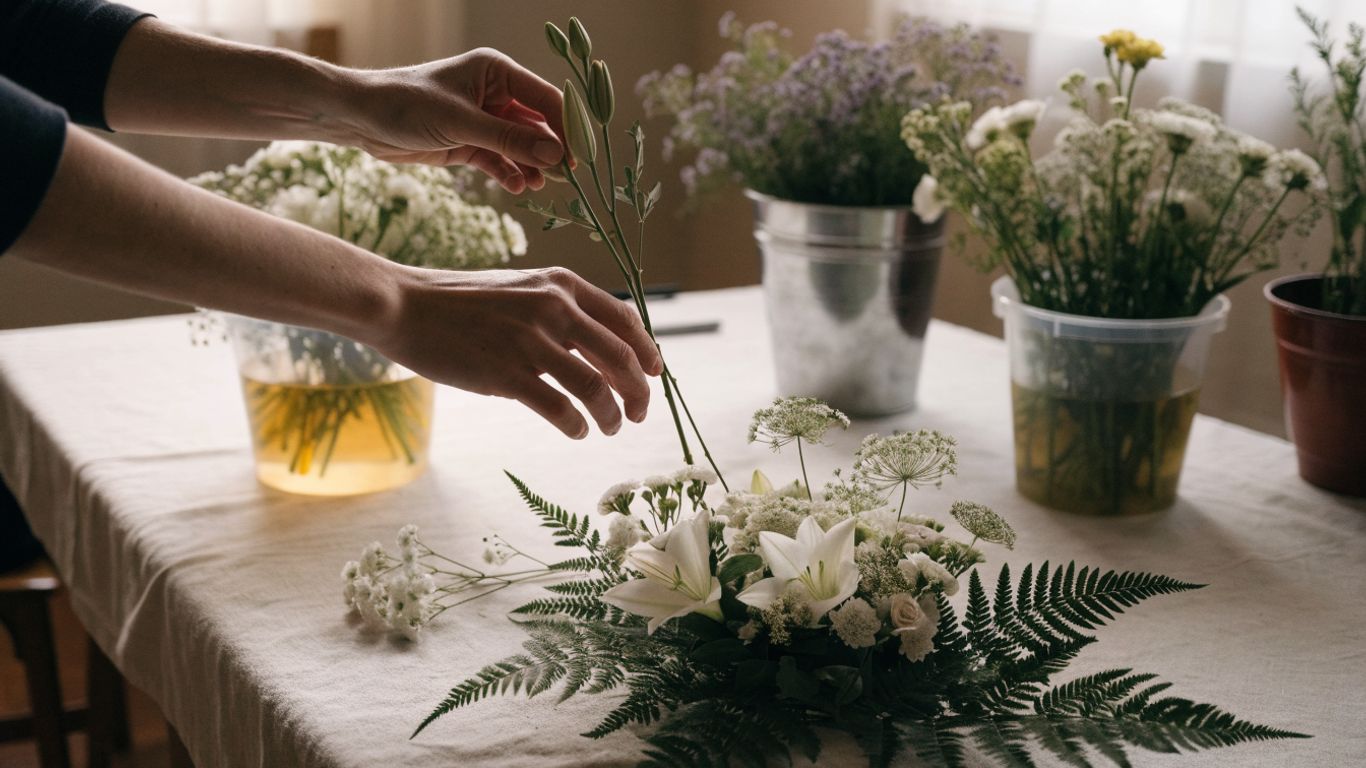
Confirm the date, service start time, full venue name, and street address before giving delivery instructions. If the flowers need to arrive before guests, ask what delivery window the venue will accept instead of assuming that the service time is the delivery time. Check whether the tribute is intended for the service, a viewing, or a family home. Specific information reduces the chance of a mix-up between locations or events.
Coordinating delivery with the funeral director or family
A funeral director or family contact can often clarify where flowers should go and who will be available to receive them. Ask for a name and a reliable contact number, and confirm whether the venue has instructions about access or placement. You can use a short checklist to keep the essential details together:
- Service date and start time
- Full venue name and address
- Delivery window and placement instructions
- Name and contact details for the recipient or coordinator
Once you have these details, repeat them back to the florist and check that the order reflects them. If the family is managing several arrangements, one designated contact can help avoid conflicting instructions.
Allowing enough time for preparation and changes
Order as soon as the service details and your preferred arrangement are clear enough to share. That gives you time to discuss flower availability, confirm the card message, and resolve questions about delivery. If the date or venue is not final, tell the florist what remains uncertain and when you expect to know more. A timeline agreed in advance is more useful than assuming every change can be accommodated at the last minute.
Checking what happens if a flower or delivery detail changes
Before completing the order, ask how the florist will contact you if a particular bloom is unavailable or an address needs clarification. Find out whether they will suggest an alternative for your approval or proceed with a substitution under agreed terms. It is also sensible to confirm what happens if the service time changes. Knowing the process in advance can make an unexpected adjustment easier to handle.
Understanding pricing and ordering
Prices can vary with the arrangement’s size, flower selection, and delivery requirements. Rather than comparing totals alone, ask what each quote includes and whether it allows for a particular design or substitution. This makes it easier to choose within your budget without losing sight of the tribute’s purpose. If any detail is not settled, ask how the order can be updated before you commit.
Comparing quotes and what each one includes
Ask whether the quoted price includes the arrangement, card, delivery, and any requested additions. A description of the design is useful too, especially if you are comparing options with different sizes or flower types. Make sure you understand whether the final arrangement may differ if a bloom is unavailable. An itemized explanation helps you compare like with like instead of choosing based on a number alone.
Setting a budget for flowers and delivery
Decide what you are comfortable spending before discussing upgrades or extra details. You can tell the florist your range and ask which arrangement styles fit it, including any delivery cost. There is no need to justify a modest budget; a sincere tribute does not depend on expense. Clear limits can help the conversation stay focused on suitable options.
Checking payment, cancellation, and change policies
Ask when payment is due and what the florist’s policies are for cancellation, date changes, or design revisions. If a service detail is still uncertain, make sure you understand whether changing it could affect the price or delivery plan. Keep a record of the order confirmation and any agreed updates. These steps make expectations clearer for everyone involved.
Placing an order when details are still being finalized
Sometimes you need to begin planning before every service detail is confirmed. Tell the florist exactly what is known and what is pending, then agree on a date by which you will provide the remaining information. Ask whether the order can be held or revised, and get the answer in writing if possible. That way, you can make progress without treating an unconfirmed time or venue as final.
Communicating your wishes with the florist
A clear conversation gives the florist a better chance of understanding what you have in mind. You do not need to know the technical names for flower styles; describe the person, the setting, and the feeling you hope the tribute will convey. Share practical details early, including the service location and any family instructions. If you are using this site for other kinds of planning, it also has separate guides to consulting firm comparisons, vacation rental management, The Floravale, EV service alternatives, and property transaction tools; those topics are unrelated to funeral flowers.
Sharing the service details and recipient’s preferences
Begin with the service date, time, venue, and the best contact for delivery questions. Then share anything the family has requested, including a preference for a particular flower, a smaller tribute, or no flowers. If you are unsure whether a detail matters, mention it and ask. Giving the florist the context early can prevent a well-meant choice from conflicting with the family’s wishes.
Describing the tribute’s style, size, and color palette
Plain language works well: you might describe the arrangement as quiet, garden-like, compact, or bright, then explain where it will be displayed. Share a preferred size and any colors or flowers that matter to you. If you have a reference photo, use it to communicate general shape or palette rather than expecting an exact copy. That gives the florist useful direction while allowing for flower availability.
Confirming the design before the order is completed
Before finalizing the order, repeat the arrangement type, size, colors, delivery destination, and card wording. Ask the florist to confirm any substitutions or details that are still subject to change. If there is a sketch or written description available, review it for the broad features that matter most to you. A final check can catch small misunderstandings while there is still time to correct them.
Handling special requests with care
Special requests may involve a meaningful flower, a particular color, or an item the family has asked to include. Explain why the detail matters and ask whether it is practical for the arrangement and venue. If it cannot be accommodated, discuss a simple alternative rather than assuming the entire design needs to change. A respectful conversation can preserve the intention even when the exact request is not possible.
Conclusion
Choosing funeral flowers in Altona is a personal decision, and it is perfectly all right to take it one question at a time. Listen to the family’s wishes, choose an arrangement suited to the service, and confirm the delivery details before placing the order. A sincere message and a thoughtful, well-planned gesture can offer comfort without needing to be elaborate.
Frequently Asked Questions
What flowers are appropriate for a funeral?
There is no single choice that suits every service. Consider the family’s preferences, any cultural or religious customs, and where the flowers will be displayed.
What is the difference between a wreath and a spray?
A wreath is generally arranged in a circular form, while a spray is designed to be viewed from a particular side. Ask about the intended placement before choosing either style.
Should I send flowers to the service or the family’s home?
That depends on the family’s wishes and the service arrangements. If you are unsure, ask a relative or funeral director where a tribute would be most welcome.
How far in advance should I order funeral flowers?
Order once you have the key service details and enough time to discuss the design and delivery. If information is still pending, ask the florist how and when it can be updated.
What should I write on a funeral flower card?
A short, sincere message is usually appropriate. You might express sympathy, share a brief memory, or let the family know you are thinking of them.
Can I request a particular flower or color?
Yes, you can share your preference and ask whether it is available. If not, discuss an alternative that preserves the general style or feeling you had in mind.
What details should I confirm for delivery?
Confirm the service date and time, full venue name and address, delivery window, placement instructions, and a contact person. Ask what to do if any of those details change.