Key Takeaways
A proud of you bouquet can celebrate a visible achievement, quietly support someone through a hard season, or simply say that their effort has been seen.
- Match the flowers and colors to the recipient, not only to the occasion.
- Let the card clarify whether your message is celebratory, supportive, or both.
- Choose a bouquet style that suits the person’s home, schedule, and practical needs.
- Schedule delivery around the meaningful moment rather than assuming earlier is better.
- Include simple care instructions so the arrangement can be enjoyed for as long as possible.
What a proud of you bouquet means
Flowers can give shape to feelings that are difficult to put into a text message. A proud of you bouquet is less about a fixed formula than the thought behind it: you noticed the work, the courage, or the persistence that brought someone here. The right arrangement feels personal because it reflects the person and the moment together.
Celebrating personal milestones and achievements
Graduations, new homes, completed projects, and personal records all deserve recognition. The achievement does not have to look dramatic from the outside; finishing a long course, paying off a debt, or finally sharing creative work can take enormous effort. Choose flowers that make the recipient feel celebrated rather than evaluated, with a lively shape and colors that bring energy into the room.
A Proud of You Bouquet can be a natural choice when the occasion calls for a clear, affectionate gesture. More generally, a mixed bouquet works well because its variety suggests that the accomplishment contains many small steps, not just one final result.
Encouraging someone through a difficult season
Pride is not reserved for victories with certificates or applause. Sometimes it belongs to the person who kept going, asked for help, started over, or made a difficult change. In that situation, avoid overly triumphant language if it might make the recipient feel pressured to appear happy. Softer colors, an informal arrangement, and a card that acknowledges the road behind them can feel more generous.
Flowers for encouragement should leave room for whatever the person is feeling. A simple message such as “I see how hard you have worked, and I am here for you” can be more comforting than an elaborate declaration.
Showing appreciation without saying too much
Some relationships are warm but not especially verbal. A bouquet can carry appreciation without requiring a long conversation, particularly when sent after a thoughtful favor, a period of patience, or a quiet act of care. In these moments, the design can stay uncomplicated: a few favorite blooms, a seasonal mix, or a small vase arrangement may say enough.
The most effective gesture is often the one that feels observant. Mention one specific thing the recipient did, even if the rest of the card is brief. That small detail turns a general gift into a personal thank-you.
Choosing between a congratulatory and supportive message
Before ordering, ask what you want the flowers to do emotionally. A congratulatory message looks outward toward the achievement, while a supportive message stays close to the person and the effort it took to reach this point. Some occasions need both, especially when success arrived after disappointment, illness, uncertainty, or a major transition.
If you are unsure, use language that celebrates without demanding a response. “You should be proud of yourself” and “I am proud to know you” are flexible phrases that work for a range of circumstances.
How to choose the right flowers
Flower choice becomes easier when you begin with the recipient rather than a list of traditional meanings. Think about whether they prefer soft and romantic designs, bright and cheerful colors, or something sculptural and restrained. Consider where the flowers will be received, too, since a workplace arrangement may call for a different scale than one sent to a small apartment.
Matching blooms to the recipient’s personality
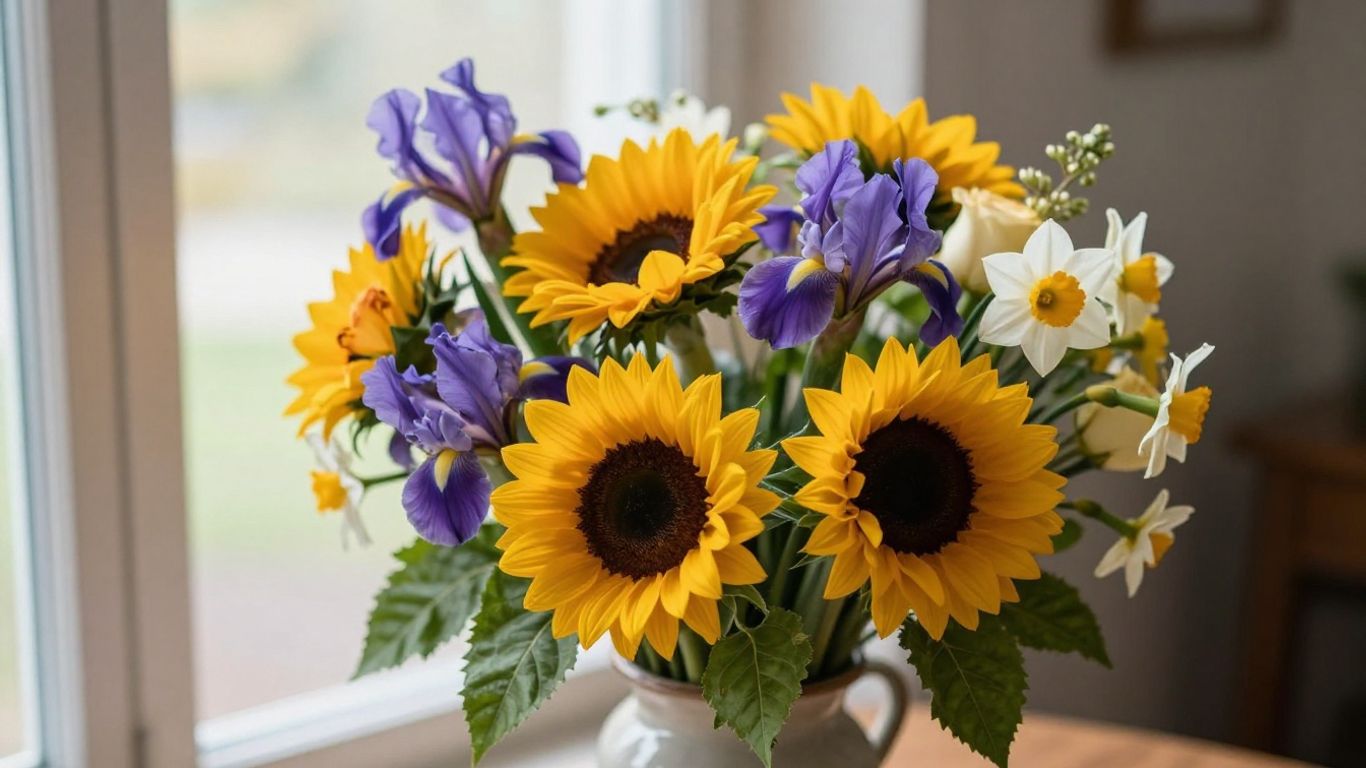
A bouquet should feel like something the recipient would choose for themselves, or at least enjoy having nearby. A calm, understated person may prefer whites, greens, and an airy shape, while a lively friend may appreciate saturated colors and an abundant mix. For someone who loves gardening, seasonal flowers can feel more thoughtful than a conventional rose arrangement.
When you know a favorite flower, start there and build around it. When you do not, notice the person’s clothing, home decor, or the colors they tend to choose. These clues are often more useful than trying to assign a personality to a single bloom.
Understanding the meaning of popular flower varieties
Traditional flower meanings can offer a helpful starting point, but they should not overrule personal taste. Irises are often associated with admiration and accomplishment, orchids can suggest pride and refinement, and daffodils have a fresh, hopeful feeling that suits new beginnings. Roses remain versatile, with the color and surrounding flowers doing much of the interpretive work.
Here is a simple guide for narrowing the field without treating symbolism as a strict rule:
| Flower variety | Common feeling | A fitting moment |
|---|---|---|
| Irises | Admiration and accomplishment | Graduation or a completed goal |
| Orchids | Pride and elegance | Career milestone or lasting achievement |
| Daffodils | Hope and new beginnings | A fresh start or major change |
| Sunflowers | Warmth and optimism | A joyful personal victory |
| Roses | Affection and appreciation | A close relationship or heartfelt congratulations |
These associations are prompts, not instructions. If the recipient dislikes orchids or adores tulips, their preference should carry more weight than any flower dictionary.
Selecting colors that express pride and joy
Color can set the mood before the recipient reads the card. Yellow, orange, and coral tend to feel sunny and energetic, while pinks can add affection without becoming overly formal. White and green arrangements often feel peaceful and polished, and deep jewel tones can make a professional or evening celebration feel more sophisticated.
You can also use a favorite color as the unifying thread. A bouquet does not need to be loud to express pride; a restrained palette with one vivid accent may feel more deliberate and memorable.
Balancing classic, modern, and playful arrangements
Classic arrangements usually rely on familiar flowers, symmetrical shapes, and a polished finish. Modern designs may use unusual textures, negative space, or a limited palette, while playful bouquets mix bright colors and unexpected details. The best choice depends on the recipient’s taste and on whether the flowers are part of a formal celebration or a spontaneous surprise.
For broad inspiration, congratulations flowers can help you compare the cheerful, symbolic direction often used for graduations, promotions, new babies, and housewarmings. Whichever style you choose, keep the design coherent: one strong idea is usually more attractive than several competing ones.
Choosing a bouquet for different accomplishments
The occasion gives you a useful frame, but it does not have to dictate every flower in the arrangement. A graduation bouquet can be bright and youthful, yet a graduate with minimalist taste may prefer something much quieter. Likewise, a promotion may call for a polished vase arrangement, while a personal recovery milestone may be better marked with a gentle, reassuring design.
Graduation and academic success
Graduation is a natural moment for a proud of you bouquet because it marks both an ending and a beginning. Bright blooms can echo the excitement of a ceremony, while a hand-tied arrangement is easy to carry alongside a gown, card, or small gift. If the flowers will be present at the event, avoid an arrangement so large that it becomes awkward to hold.
A short card can mention the years of study rather than only the final result. “You worked for this moment, and I cannot wait to see what comes next” honors the accomplishment while leaving space for the graduate’s next chapter.
New jobs, promotions, and career milestones
Career achievements often happen in public, but the work behind them may have been private and exhausting. A bouquet for a new job or promotion can acknowledge the persistence, preparation, and confidence involved. Choose a design that can sit comfortably on a desk or reception table if it will arrive at the workplace, and check whether the recipient has room for a vase.
A bright mixed arrangement is a friendly option for a colleague or friend, while a more refined palette may suit a senior professional or a formal office. The message should congratulate the person without implying that their value depends on productivity.
Personal goals, recovery, and major life changes
Personal milestones can be deeply meaningful even when no one else knows about them. Completing therapy, returning to a routine, moving into a new home, or reaching a recovery goal may call for a bouquet that feels intimate rather than ceremonial. Choose flowers with a gentle shape and a card that names the courage involved without asking the recipient to explain everything.
Timing matters here. Sending flowers after the first announcement has passed can be especially touching, since it shows that you are paying attention beyond the obvious celebration. The gesture can be small, steady, and free of pressure.
Performances, competitions, and creative achievements
After a performance, exhibition, match, or competition, flowers can provide an immediate and tangible thank-you. Consider the setting: a compact bouquet is easier to carry backstage, while a vase-ready arrangement may be more useful once the recipient gets home. If they did not win, you can still celebrate the discipline and artistry that brought them to the event.
For creative people, a slightly unusual color combination or textured arrangement may feel more fitting than a formal dozen roses. A card that mentions one particular detail you enjoyed makes the gift feel connected to the work itself.
Finding the right bouquet size and style
Size is not a measure of how proud you are. The right arrangement is one the recipient can receive comfortably, place somewhere suitable, and enjoy without creating another task. Think about transportation, available surfaces, pets, children, and whether the flowers are meant to accompany an event or brighten an ordinary day.
When to choose a hand-tied bouquet
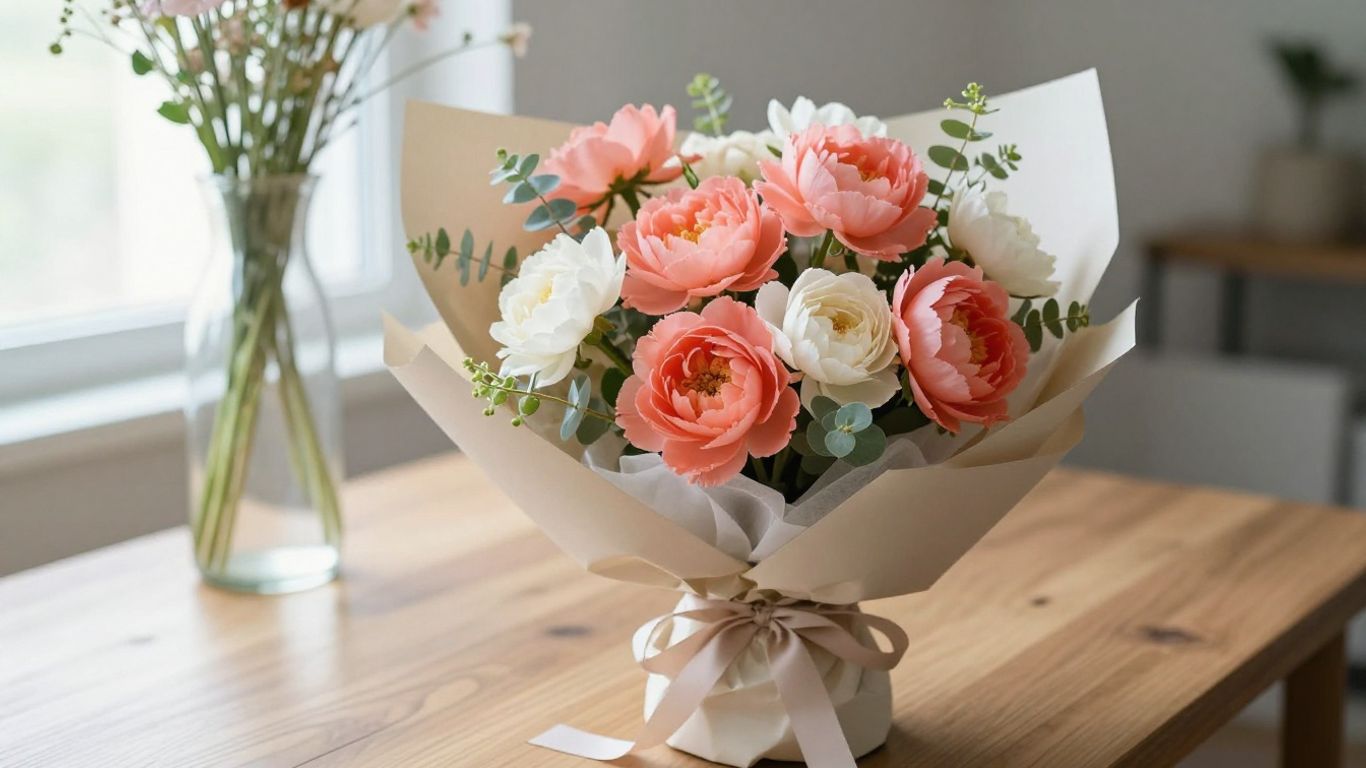
A hand-tied bouquet has an easy, generous feeling and works especially well when you want the flowers to be opened and admired immediately. It is a good choice for a graduation ceremony, a dinner visit, or a doorstep surprise. The recipient can place it into a favorite vase, so the style feels personal without requiring you to guess which container they own.
Because the stems may need trimming and arranging, include a little extra time if the flowers are being delivered just before an event. For a quick workplace presentation, a vase-ready option may be more practical.
Benefits of boxed, vase-ready, and basket arrangements
Different formats solve different logistical problems. A boxed arrangement can feel polished and gift-like, a vase-ready design is convenient for someone with a busy schedule, and a basket arrangement can offer a fuller, more grounded presentation. The best format depends on how much unpacking or arranging the recipient is likely to want.
For a celebration involving a meal or gathering, consider whether the flowers will compete with plates and serving dishes. A low arrangement may be more useful than a tall centerpiece, even if both contain a similar number of stems.
Selecting a small gesture or statement centerpiece
A small bouquet can be ideal when the message is private, when you are adding flowers to another gift, or when the recipient lives in a compact space. It can also be a considerate way to celebrate a modest but meaningful milestone. A statement centerpiece makes more sense for a party, office reception, or shared celebration where the flowers are meant to be seen by several people.
Let the setting guide the scale. A centerpiece should leave room for conversation and practical movement, while a personal bouquet can be shaped around the recipient’s hands and daily routine.
Considering the recipient’s home and lifestyle
A little practical thought can make a beautiful gift much easier to enjoy. Someone who travels often may prefer a long-lasting arrangement or a small bouquet, while a home cook may appreciate flowers that fit safely on a side table rather than beside the stove. If pets are present, verify flower safety before choosing specific varieties.
Delivery notes can be just as useful as flower choice. A recipient who works long hours may need a scheduled drop-off, and someone in a building with controlled access may require precise instructions. These details prevent a thoughtful gesture from becoming a frustrating one.
Personalizing the proud of you bouquet
Personalization does not require an extravagant add-on. It can be as simple as selecting the recipient’s favorite color, recalling a private joke, or choosing a delivery moment that gives them time to enjoy the surprise. The aim is to make the bouquet feel considered rather than automatically selected.
Writing a meaningful card message
A good card message is specific, warm, and proportionate to the relationship. Start with what happened, then acknowledge the effort or quality you admire, and finish with a sentiment about what comes next. This structure keeps the note sincere without turning it into a formal speech.
Try writing something like, “You kept showing up when this was difficult, and I am so proud of you. I hope you take a moment to enjoy what you have achieved.” A specific detail makes it personal and helps the recipient feel genuinely seen.
Adding gifts such as chocolates, balloons, or keepsakes
A small companion gift can extend the mood of the bouquet, but it should support rather than overshadow the flowers. Chocolates suit a relaxed celebration, balloons bring a playful energy, and a keepsake can be meaningful when it connects to a shared memory or future plan. If you are sending the gift to a workplace, keep the package easy to carry and reasonably discreet.
Consider the recipient’s preferences before adding anything edible or scented. A simple card may be the better choice for someone with allergies, dietary restrictions, or a dislike of clutter.
Using favorite flowers, colors, or seasonal blooms
Favorite flowers are one of the easiest ways to make an arrangement feel unmistakably theirs. Seasonal blooms can add the same sense of thoughtfulness while giving the bouquet a natural connection to the time of year. You might choose spring bulbs for a fresh start, warm autumn tones for a late-year accomplishment, or airy summer flowers for an outdoor celebration.
If a specific flower is unavailable, keep the important element consistent through color, shape, or texture. The goal is not rigid repetition; it is preserving the feeling that led you to make the choice.
Creating a thoughtful presentation for delivery
Presentation begins before the flowers arrive. Use a clear recipient name, a concise card, and delivery instructions that explain access without making the surprise impossible. If the bouquet is meant to be opened at a party, coordinate with the host so it arrives before guests or during a natural pause.
For broader celebration planning, an advertising agency guide may be useful when a business is organizing a public milestone or launch and needs to think through objectives, budget, and creative execution. That is a separate planning need, but the same principle applies to flowers: decide what the gesture needs to accomplish before choosing its form.
Planning delivery and keeping flowers fresh
A beautiful arrangement has more impact when it arrives at a moment the recipient can actually enjoy. Start with the event date, the recipient’s routine, and the delivery location, then work backward. Same-day service can be useful for a spontaneous surprise, while scheduled delivery gives you more control around ceremonies, work hours, and travel.
Choosing same-day or scheduled flower delivery
Same-day delivery suits an unexpected congratulations or a milestone you nearly missed, provided the florist’s cutoff time and delivery area work for the order. Scheduled delivery is often better for graduations, performances, office celebrations, and birthdays because you can align the arrival with the meaningful moment.
If you are comparing options, Teleflora is described as offering hand-arranged congratulatory floral gifts delivered to homes or offices. A delivery service should still be evaluated against the actual address, date, and arrangement availability rather than chosen on name alone.
Checking delivery timing and location details
Confirm the complete address, apartment or suite number, recipient phone number, and any building access instructions before placing the order. For a workplace, include department or floor information when appropriate. For a home surprise, think about weather exposure, security, and whether someone will be available to bring the flowers indoors.
If a celebration is taking place away from home, allow enough time for the recipient to receive the bouquet without rushing. Delivery is part of the gift, so small administrative details deserve the same care as the flower selection.
Preparing the bouquet for an event or surprise
When flowers are going to a ceremony or party, check whether the recipient will need to carry them, pose for photographs, or travel afterward. A compact hand-tied bouquet can be charming but may need wrapping that protects clothing and hands. For a surprise, coordinate discreetly with a trusted person if access or timing is uncertain.
Some people enjoy a dramatic reveal; others prefer a quiet moment. Match the delivery style to the recipient, and do not assume that a public presentation is automatically more meaningful.
Sharing simple flower-care instructions
Basic care helps the recipient enjoy the bouquet beyond its first day. Trim the stems at an angle with a clean tool, place the flowers in fresh water, and remove leaves that would sit below the waterline. Keep the arrangement away from direct heat, strong drafts, and ripening fruit, and refresh the water regularly.
A short care note is enough. If the bouquet arrives in floral foam, the recipient can usually keep the foam moist with small additions of water while avoiding an overflow onto furniture. When in doubt, follow the instructions supplied with the arrangement.
For celebrations that also involve practical home projects, keep the gift planning separate from unrelated service arrangements. For example, All City Bathroom Remodeling connects customers with local contractors for bathroom renovations, while RefrigeratorRepair.io connects customers with technicians for residential and commercial refrigerator needs. Those services have nothing to do with flower care, but clear planning is useful in every kind of household decision.
A few other planning reminders can help when a gift is part of a larger day:
- Confirm the recipient’s schedule before choosing a delivery window.
- Keep the card message aligned with the achievement and relationship.
- Choose packaging that is easy to carry and open.
- Make sure the flowers have water if they will sit for several hours.
These simple checks protect the emotional purpose of the gesture. If you are arranging an outdoor celebration, Eco First describes licensed local mosquito exterminators, barrier treatments, and season-long yard protection; if the event involves a rental property, AirDNA is described as providing market analytics, occupancy data, ADR tracking, and revenue forecasting for short-term-rental investors and hosts. Neither is part of choosing flowers, but both illustrate why the details around an occasion should be planned separately and accurately.
Conclusion
The perfect proud of you bouquet is not necessarily the largest or most expensive arrangement. It is the one that notices the recipient’s effort, fits the occasion, and arrives in a form they can genuinely enjoy. Choose with their personality, circumstances, and feelings in mind, then let a few honest words complete the gesture.
Frequently Asked Questions
What flowers are best for a proud of you bouquet?
There is no single best flower. Irises, orchids, sunflowers, roses, and daffodils can all work, but the recipient’s preferences and the meaning of the occasion should guide the final choice.
What color flowers express pride?
Bright yellow, orange, coral, and jewel tones often create an energetic feeling, while pink, white, and green can express affection or calm admiration. A favorite color is usually the most personal option.
Is a proud of you bouquet appropriate for a difficult time?
Yes. Choose a gentler design and write a supportive message that recognizes the person’s effort without pressuring them to celebrate. Pride can honor persistence as well as an obvious victory.
Should I send flowers to someone’s home or workplace?
Choose the location where the recipient can receive and enjoy them comfortably. A workplace may suit a career milestone, while a home delivery is often more private and practical for personal achievements.
How large should a congratulatory bouquet be?
The size should match the setting and the recipient’s lifestyle. Small bouquets are thoughtful for private gestures or compact homes, while larger arrangements suit parties, receptions, and shared celebrations.
What should I write in the card?
Mention the achievement or challenge, name one quality you admire, and add a warm closing. Specific details usually make a short message feel more sincere than a long generic note.
How can I help flowers stay fresh?
Trim the stems, use a clean container with fresh water, remove submerged leaves, and keep the flowers away from heat, drafts, and ripening fruit. Refresh the water regularly and follow any care instructions included with the bouquet.