Key Takeaways
Finding the right floral design depends on balancing personal aesthetic preferences with the realities of seasonal availability and event logistics. By prioritizing local expertise, you ensure higher quality outcomes for your home or special events.
- Prioritize local designers who understand regional plant varieties.
- Always align your floral budget with the scale of the venue.
- Refresh your water and trim stems regularly to extend stem life.
- Select seasonal blooms to ensure maximum vase life and sustainability.
- Use statement pieces to define the mood in your entryway.
Understanding modern floral design styles
Minimalism and the less is more approach
Modern design often centers on the idea of restraint, where individual flower shapes are given space to breathe. Rather than focusing on dense, crowded bundles, this style prioritizes clean lines and intentional placement. By reducing the number of varieties in a single vase, you draw focus to the unique form and architecture of each bloom.
Incorporating native Australian flora
Native plants offer a textural richness that is difficult to replicate with traditional imported flowers. Using banksias, waratahs, or wattle can ground an arrangement in its local environment, providing a rugged beauty that feels authentic to the region. These blooms are often hardier, making them ideal for long-lasting displays that weather the transition between seasons well.
Seasonal availability and sustainable sourcing
Working with the seasons ensures that the flowers you choose are at their peak both in health and color vibrancy. When you source locally, you reduce the carbon footprint associated with long-distance transportation while supporting smaller growers. This awareness of nature’s cycle often results in more dynamic, changing arrangements throughout the year.
Adapting to contemporary interior aesthetics
Flowers act as the final punctuation mark in a room’s interior design. Whether your space relies on neutral tones or bold, geometric patterns, there is a floral style that enhances those existing elements. By incorporating artistic insights like those found in the Art in Bloom exhibition, one can better understand how to position flowers as sculptural components within a modern home.
Planning floral concepts for weddings and events
Aligning floral themes with venue architecture
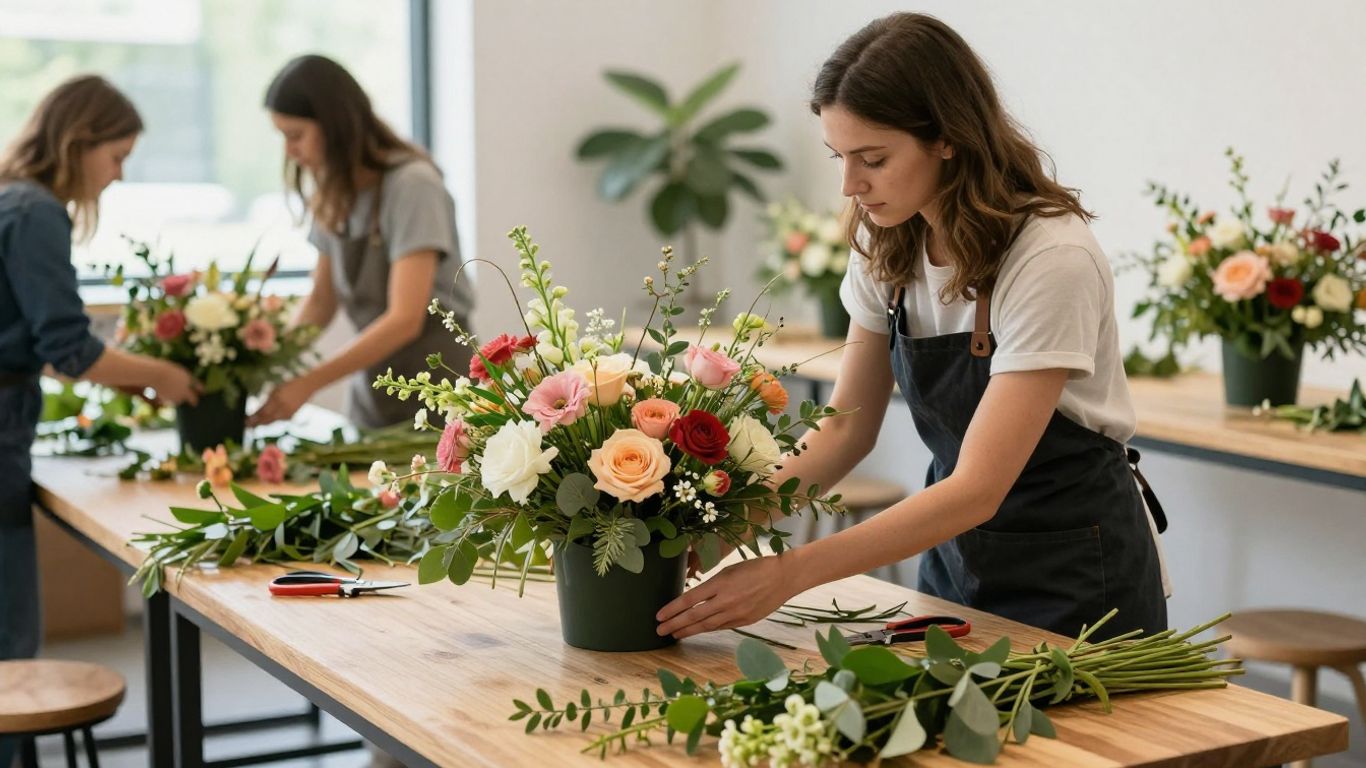
Successful event design begins by observing the lines and lighting of your chosen venue. You want flowers that complement the structural bones of a space, rather than clashing with its existing character. A high-ceilinged hall benefits from different vertical scales than a cozy, intimate garden room.
Budgeting for impactful installations
Allocating funds effectively requires a deep look at what parts of your event will draw the most attention. Many couples prioritize high-traffic areas, while others spread the budget across smaller, consistent details. The table below outlines how one might categorize a professional floral budget for a medium-scale wedding.
| Budget Category | Description | Primary Goal |
|---|---|---|
| Focal Installations | Large stage or arch displays | Maximum impact |
| Table Centerpieces | Guest seating arrangements | Atmosphere density |
| Personal Florals | Bouquets and boutonnieres | Photography focal points |
Careful planning allows for a balance that delivers visual weight where it matters most, preventing overspending on hidden corners.
Coordination between decorators and florists
When your decorators and florists are on the same page, the visual language of the event becomes seamless. Shared color palettes and style boards prevent thematic drifts, ensuring the flowers feel like a cohesive part of the decor. Establishing a communication loop early in the planning process prevents last-minute adjustments.
Managing logistics for large-scale floral setups
Large installations often involve heavy infrastructure, including heavy-duty foam, scaffolding, or hydration systems for massive floral banks. These setups must be carefully managed to ensure they survive transport and assembly hours before guests arrive. Coordinating the timeline with venue staff is a non-negotiable step for any successful, large-scale floral installation.
Selecting a professional floral designer in Sanctuary Lakes
Evaluating portfolio diversity and style consistency
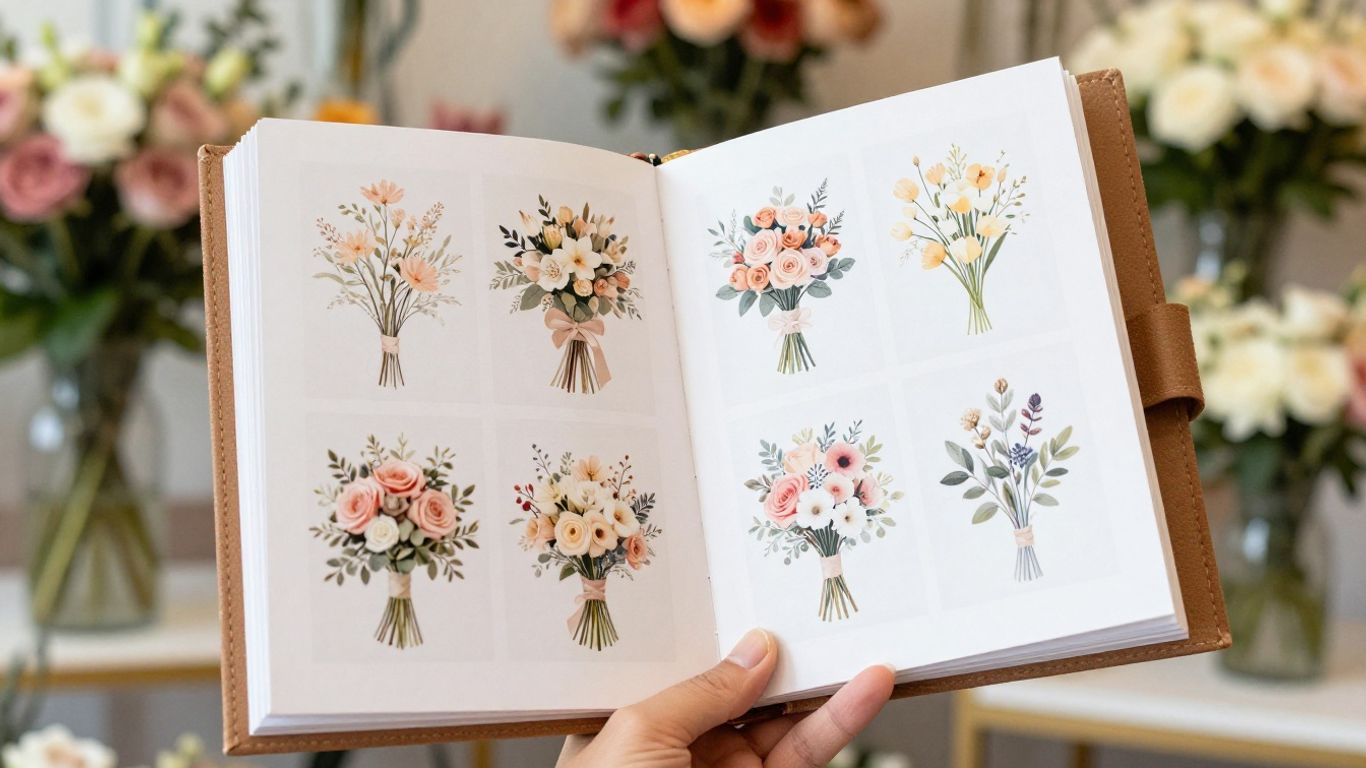
Reviewing a designer’s past work helps determine if their artistic vision matches your own. A versatile designer should demonstrate a wide range of styles, from structured geometric arrangements to wild, loose-style garden bouquets. Look for consistency in how they handle stems and focal points, which serves as a marker of true professional experience.
Checking client reviews and local reputation
Local reputation carries weight when you need someone who knows the area’s climate and suppliers. Providers like Lake Worth Florist, Special Impressions, and Awesome Blossoms each bring their own unique service model to the design experience. These teams specialize in reliable delivery and personalized arrangements that reflect local preferences for quality and attention to detail.
Communication expectations during the consultation
A productive consultation is where you define your expectations and the designer explains what is feasible within your timeline. You should walk away feeling like the designer understands your vision, even if there are technical constraints. Good communication often leads to unexpected creative solutions that you might not have considered on your own.
Contract requirements and delivery policies
Always clarify the specific delivery policies to ensure your flowers arrive in prime condition when needed most. Detailed contracts should outline cancellation terms, substitution policies, and specific delivery windows to avoid any stress on your special day. Ensuring these details are on paper is essential for a professional exchange.
Caring for your floral arrangements at home
Extending the lifespan of cut flowers
Proper maintenance involves a few consistent habits that help preserve the integrity of your blooms. By engaging in regular stem trimming and water rotation, you can keep your flowers fresh for much longer than the average display. Follow these steps to optimize your at-home arrangements:
- Cut stems at a 45-degree angle to maximize surface area absorption.
- Remove any leaves that sit below the waterline to prevent bacterial decay.
- Use a clean vase to prevent contamination that accelerates wilting.
- Keep your flowers away from ripening fruit or direct heat sources.
Positioning arrangements to avoid environmental stress
Avoid placing your arrangements in drafty spots or directly in front of heating and cooling vents. Extreme temperature fluctuations can shock flowers and force them to open or wilt prematurely. A stable, cool environment is usually the best home for most cut arrangements.
Maintaining water quality and stem health
Water can become a breeding ground for bacteria quickly, which is why refreshing it every two days is standard advice. When refreshing, take a moment to wash the vase thoroughly with mild soap to ensure no residue lingers. Healthy stems are the foundation of a vibrant arrangement, so observe them closely during these swaps.
Troubleshooting common wilting signs
Wilting is often a sign of hydration issues or environmental stressors rather than just old age. If a flower looks droopy, try re-cutting the stem and giving it a "deep drink" in cool, clean water for several hours. This simple reset can often bring a flower back to life for another couple of days.
The impact of floral design on home staging and atmosphere
Boosting property appeal for real estate sales
Fresh flowers signal that a property is cared for and well-maintained. When staging, minimalist arrangements can highlight high-end architectural features like kitchen islands or fireplaces. The strategic use of greenery creates an inviting tone that potential buyers perceive as warm and livable.
Creating welcoming entryways with statement pieces
An entryway is the first area guests or potential buyers see, making it the perfect location for a bold statement arrangement. A high-impact piece sets the aesthetic tone for the entire residence. It turns a static entryway into an engaging experience, utilizing color and texture to draw the eye inward.
Enhancing mood and well-being through biophilic elements
Plants and flowers influence our internal environment in surprising ways, offering a sense of calm during a busy day. Just as physical activities like following a structured Zone 2 training routine can build resilience, intentional floral design contributes to a restful home environment. Connecting your living space with nature through biophilic elements is a proven way to improve daily mood.
Integrating textures and colors with existing decor
Effective floral design takes inspiration from the colors of your furniture, upholstery, and wall art. You don’t have to match colors perfectly; instead, look for complementary hues that bring out the best in both the flower and the surrounding fabric. Texture is equally important, with spiky, delicate, or broad-leaf plants providing a tactile interest that completes a room.
Conclusion
Choosing the right floral design creates a cohesive narrative between your space and your personal style. By understanding the basics of structure, care, and professional selection, you ensure that every arrangement contributes positively to your home environment. Whether you are hosting a large event or simply looking to refresh your living room, the right blossoms offer timeless elegance and a welcoming atmosphere.
Frequently Asked Questions
How often should I change the water in my vase?
It is best practice to refresh the water every two days, making sure to trim the stems slightly each time to keep the pathways open for better water absorption.
Why do my flowers wilt so quickly after buying them?
Wilting often happens because of heat, lack of water, or exposure to ethylene gas, which is commonly produced by ripening fruit kept near the flowers.
What are the best flowers for a long-lasting arrangement?
Sturdier options like carnations, chrysanthemums, and native Australian flora such as banksia tend to last significantly longer than delicate varieties like peonies or sweet peas.
Does sunlight affect the longevity of an arrangement?
Yes, keeping arrangements out of direct sunlight will prevent them from dehydrating too fast and colors from fading under intense UV light.
Can I trim stems after an arrangement has been made?
Absolutely, removing an inch from the bottom of stems every few days helps them continue to intake water more effectively as they age.
Should I use the flower food packet included with the bouquet?
Yes, the powder in those packets is designed to alter the water’s pH and provide the necessary sugar and antimicrobial agents to keep blooms healthy.
Are there specific arrangements for small tables?
Low, wide arrangements are generally better for small tables as they avoid cluttering the view while still providing a pop of color and natural beauty.